St. Brigid’s Cross: Meaning, History, and How to Make One
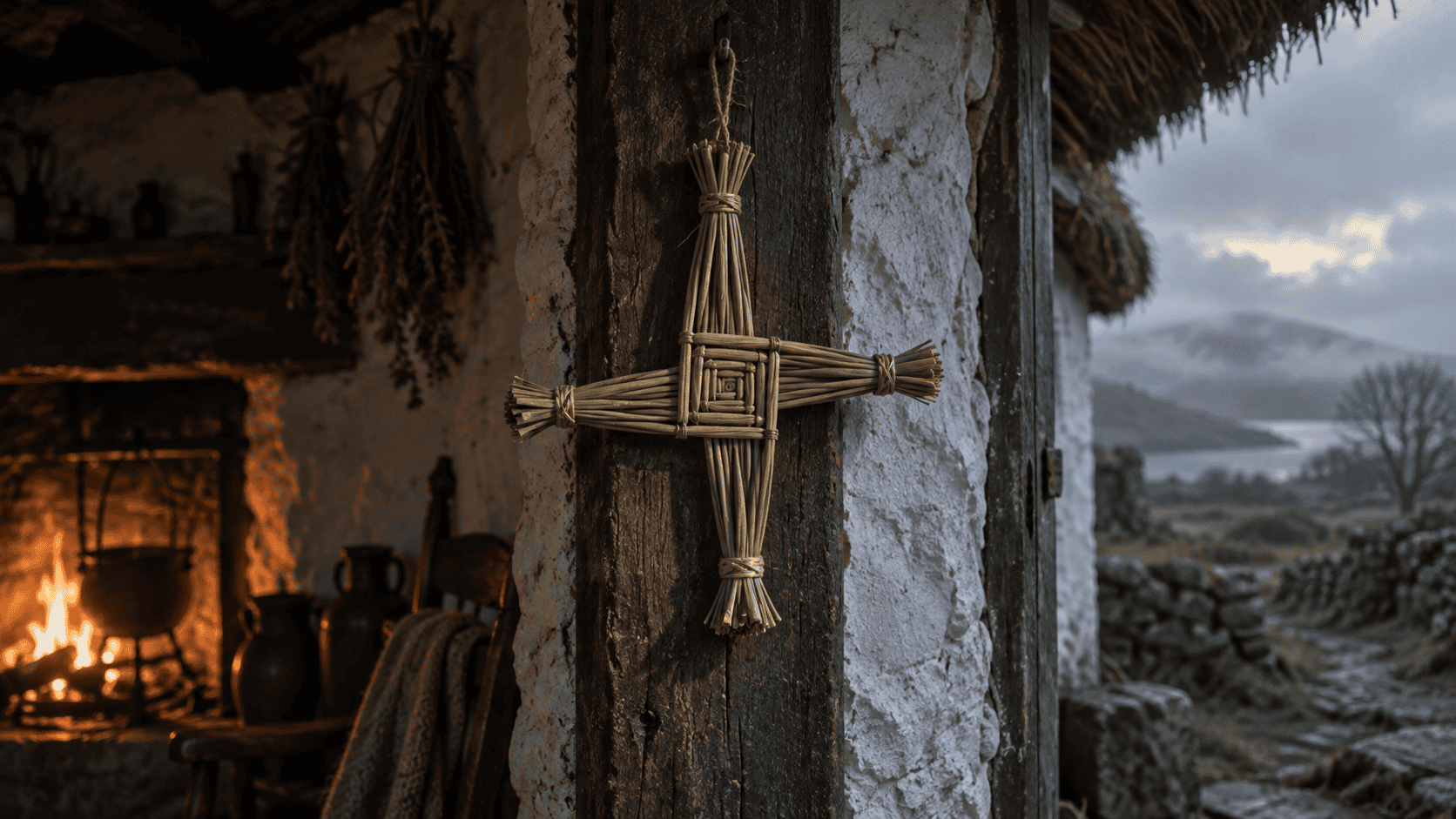
A handful of rushes, woven on the last night of January to guard the house for a year. The legend, the real history, and how to make one yourself.
The old Irish year turned on four great festivals, each opening a new season: Samhain in November, Imbolc in February, Bealtaine in May, and Lughnasadh in August.
They were times for moving herds, lighting fires, and keeping watch for the fairy folk, who were thought to roam most freely at Samhain and Bealtaine. Many of their customs live on today in Halloween and St. Brigid’s Day.
Turnip lanterns in the window, fairies on the move, and a ring hidden in the cake. The true story of Samhain, and how Ireland gave the world Halloween.
Read the Guide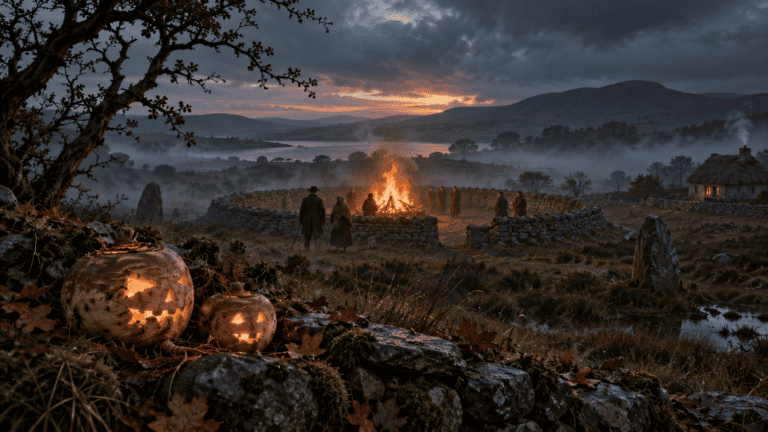
A handful of rushes, woven on the last night of January to guard the house for a year. The legend, the real history, and how to make one yourself.
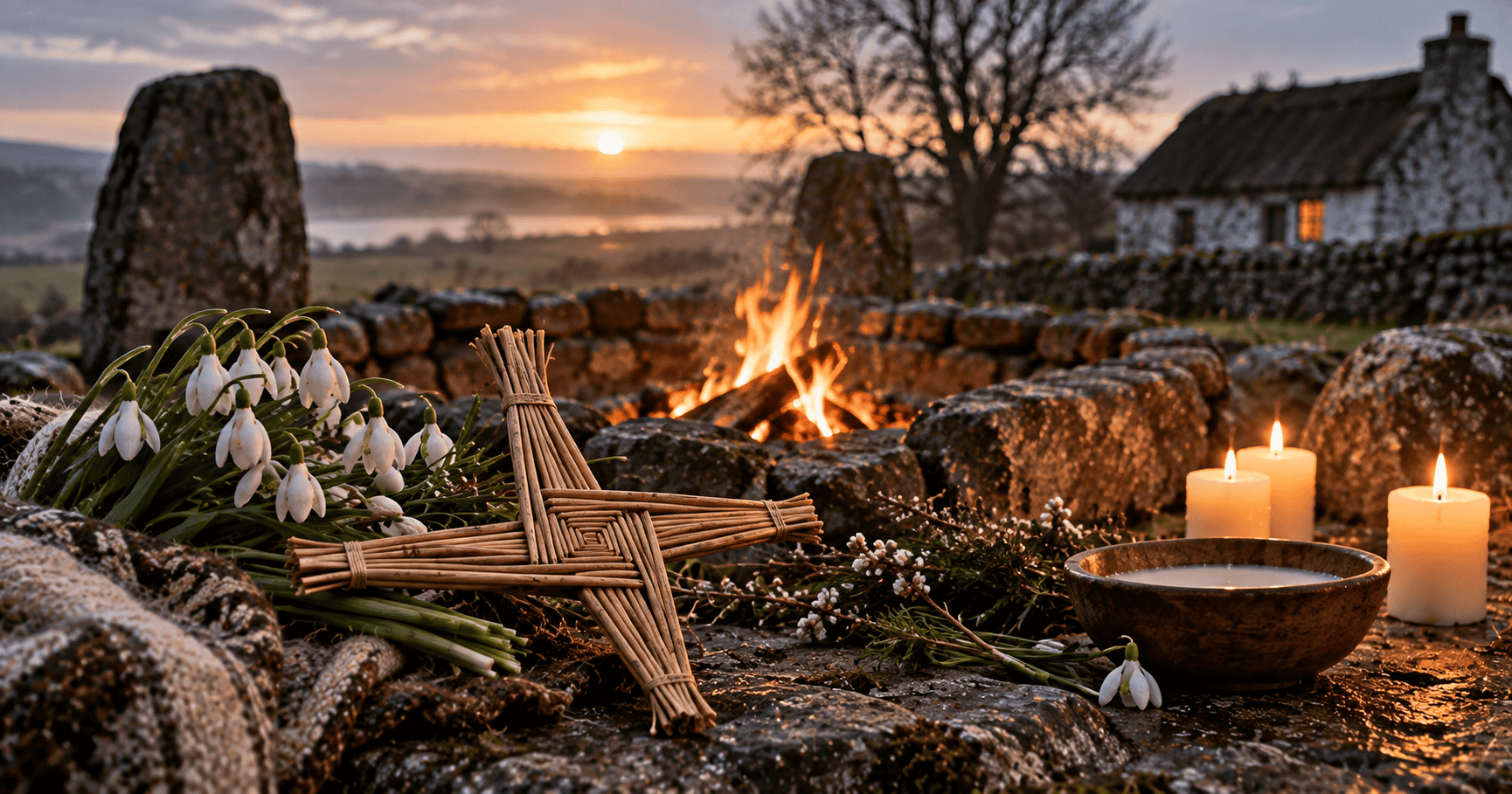
Lambs in the fields, milk in the pail, and a saint at the door. How Ireland’s quiet spring festival became St. Brigid’s Day.
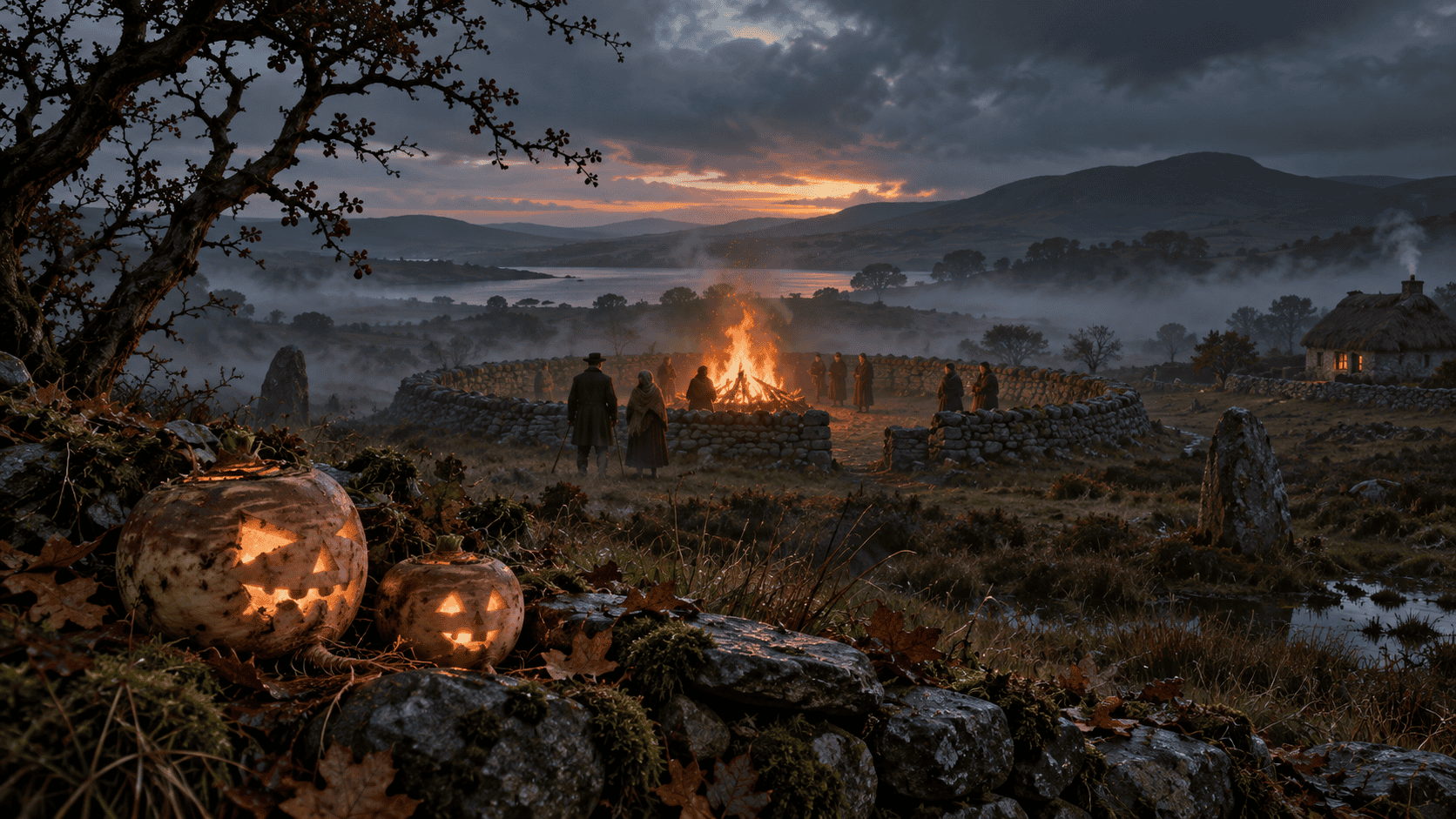
Turnip lanterns in the window, fairies on the move, and a ring hidden in the cake. The true story of Samhain, and how Ireland gave the world Halloween.
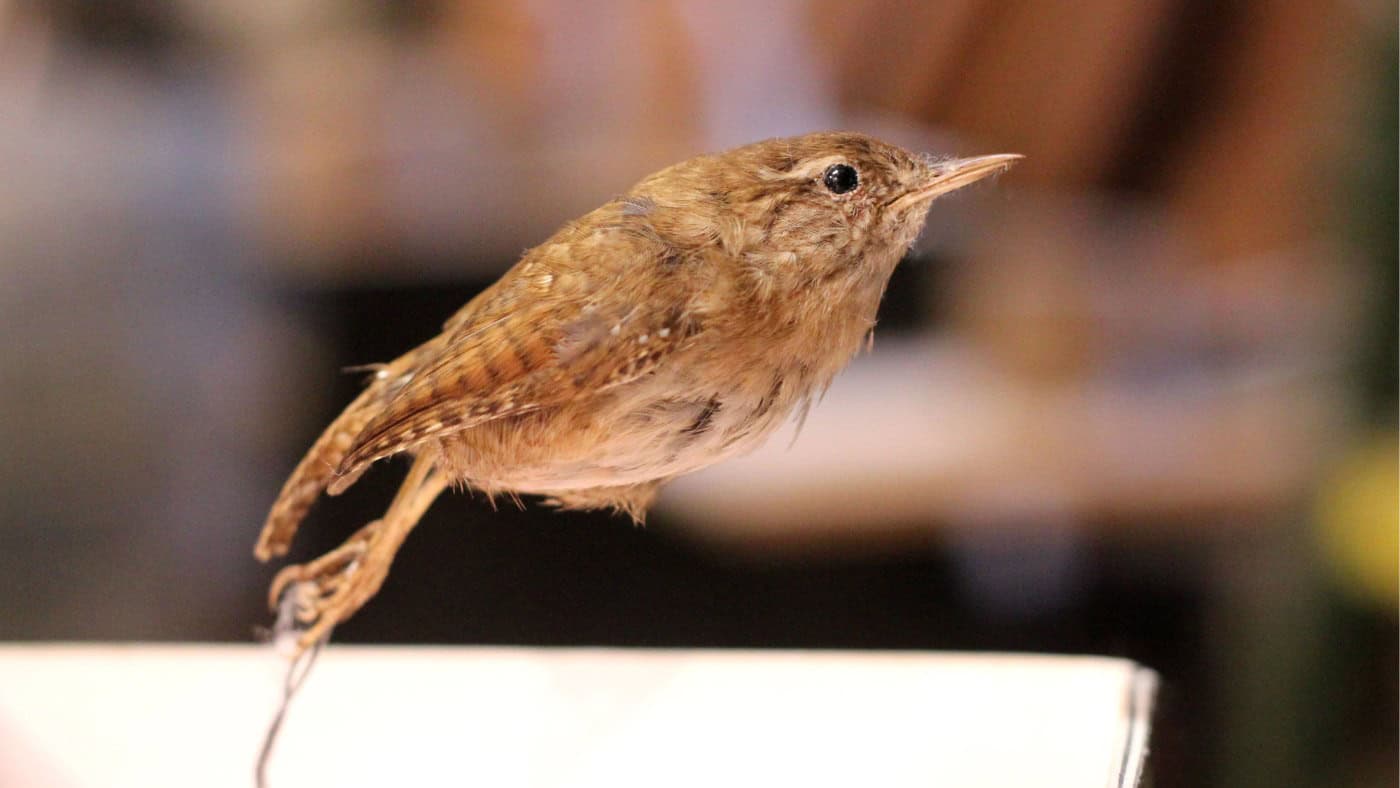
Every December 26, straw-masked wren boys once hunted the king of all birds and carried it door to door. Here is why, and where the custom lives on.
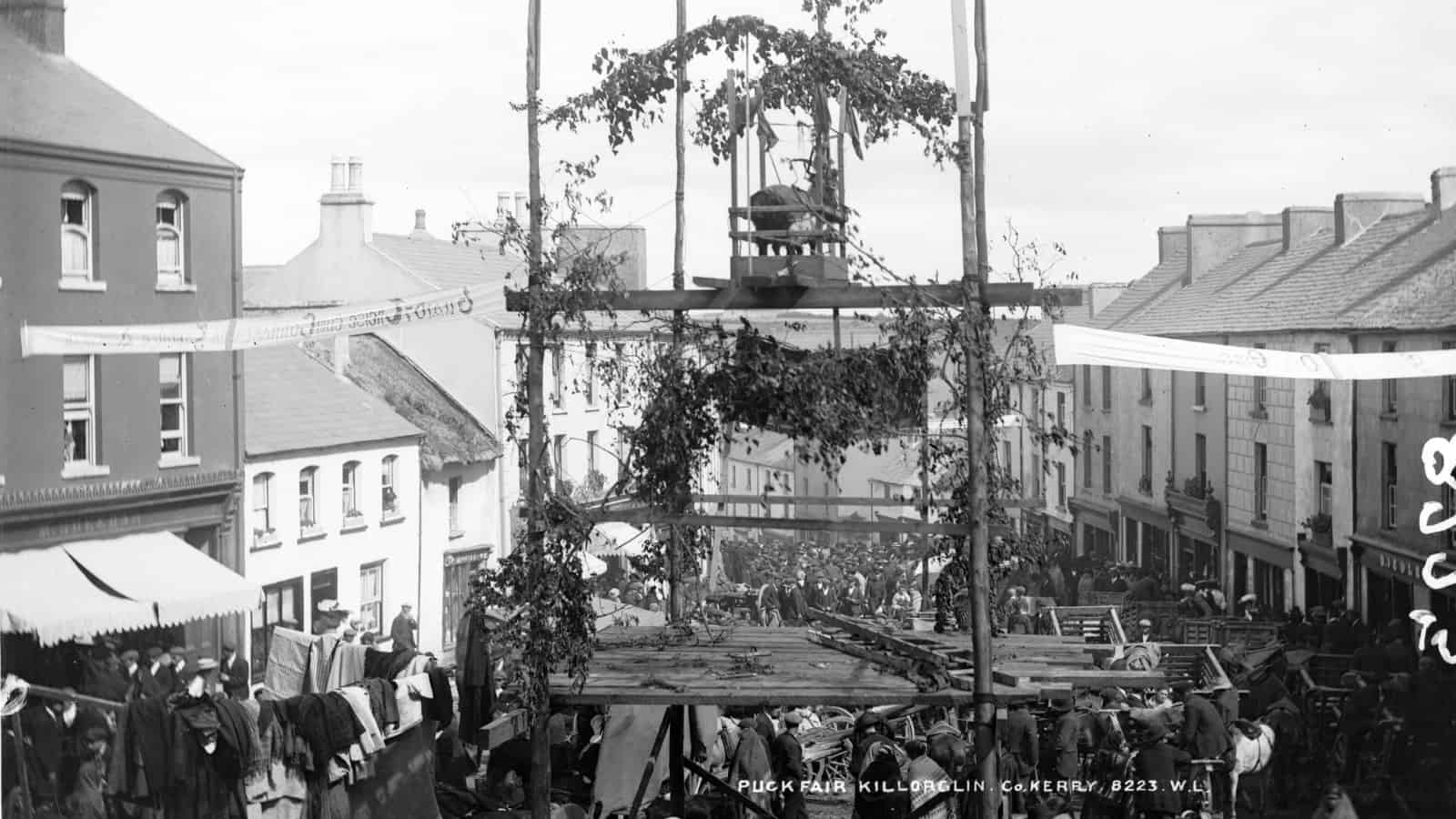
Lughnasadh, the festival of the god Lugh, opened the Irish harvest each August. From Tailtiu’s funeral games at Teltown to bilberry picking on Garland Sunday, here is how Ireland kept the feast.