Ogma: The Irish God of Strength, Eloquence and the Ogham Alphabet
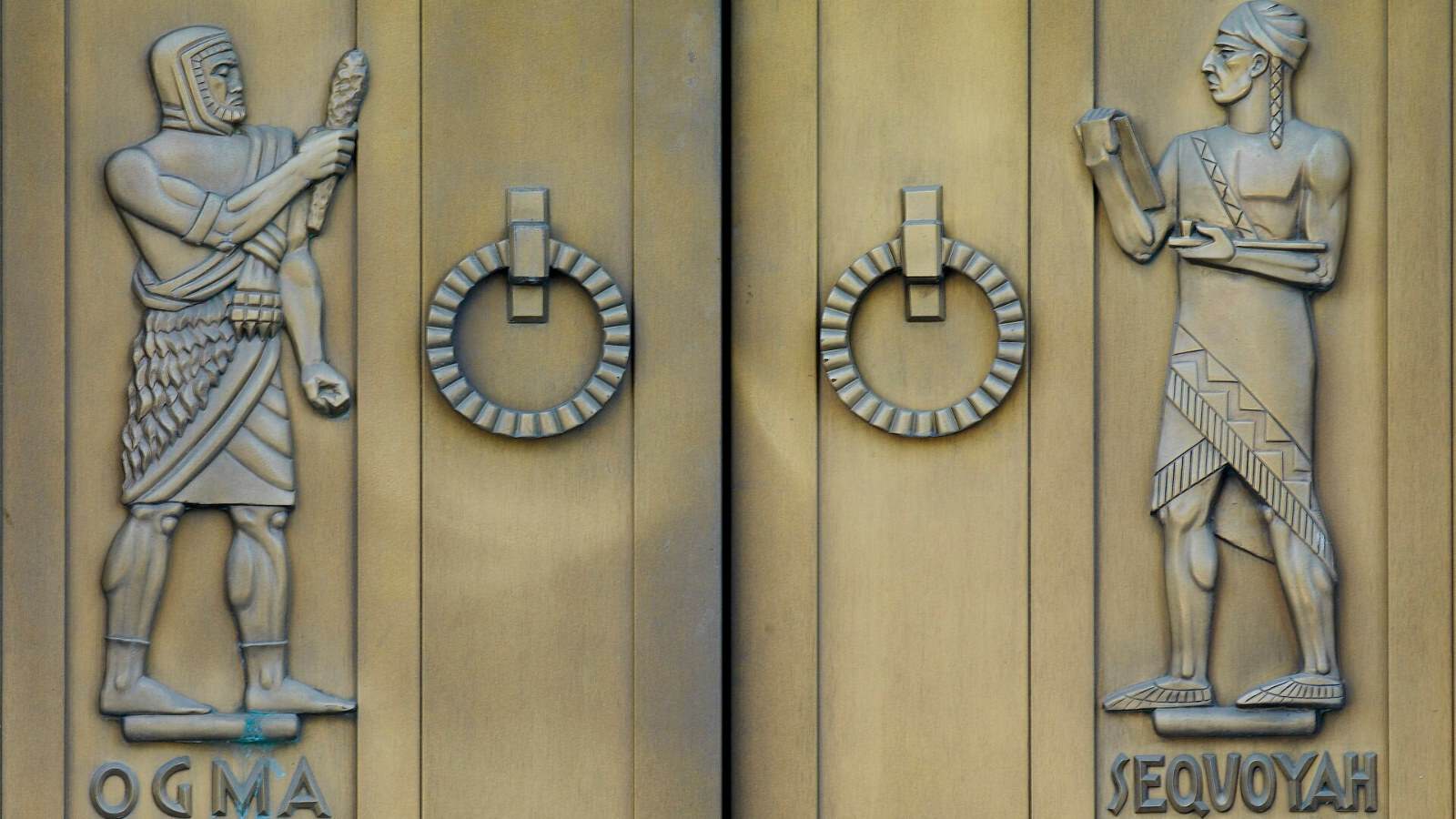
Ogma is the champion of the Tuatha Dé Danann and the god Irish tradition credits with inventing ogham. Here is his story, from the Second Battle of Mag Tuired to the ogham stones.
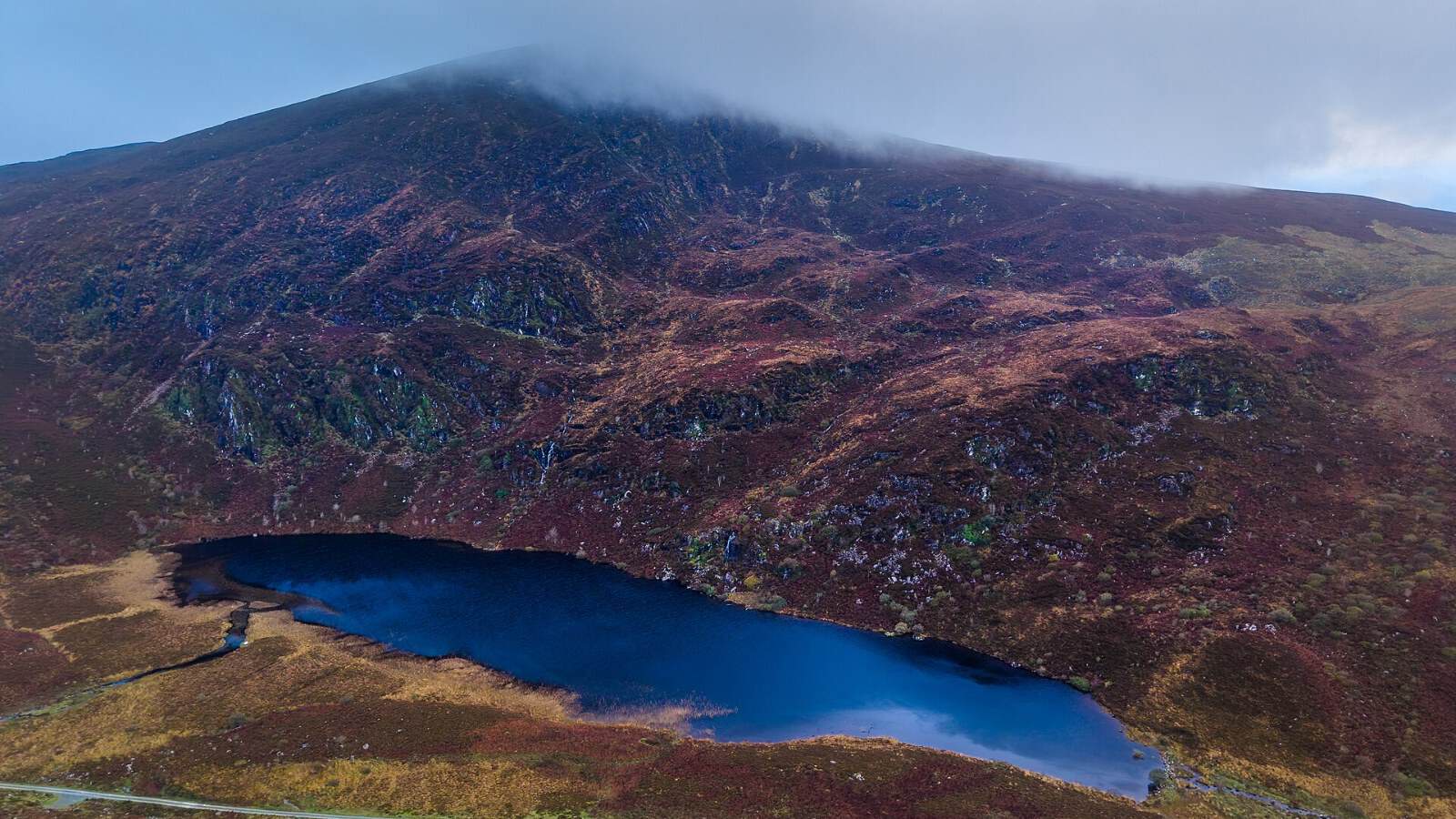
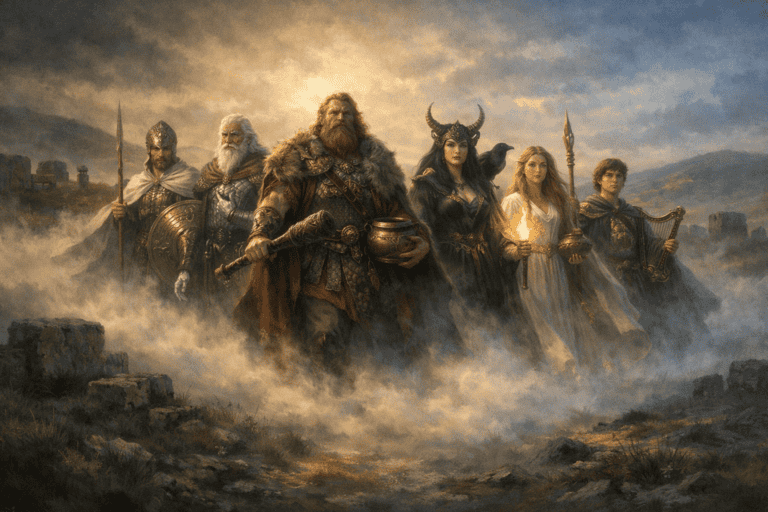
Long before saints and kings, Irish folklore remembered a race of gods. The Tuatha Dé Danann ruled Ireland until the sons of Míl drove them into the hills and ancient mounds, where tradition says they live on as the fairy folk.
Here you will find the gods and goddesses of that world, from the Dagda and Lugh to the Morrígan and Brigid, and the stories that Christian monks preserved, and often reshaped, when they wrote them down.
How the old gods took Ireland, lost it to the Gaels, and kept the half of the country that lies below ground.
Read the Guide
Ogma is the champion of the Tuatha Dé Danann and the god Irish tradition credits with inventing ogham. Here is his story, from the Second Battle of Mag Tuired to the ogham stones.
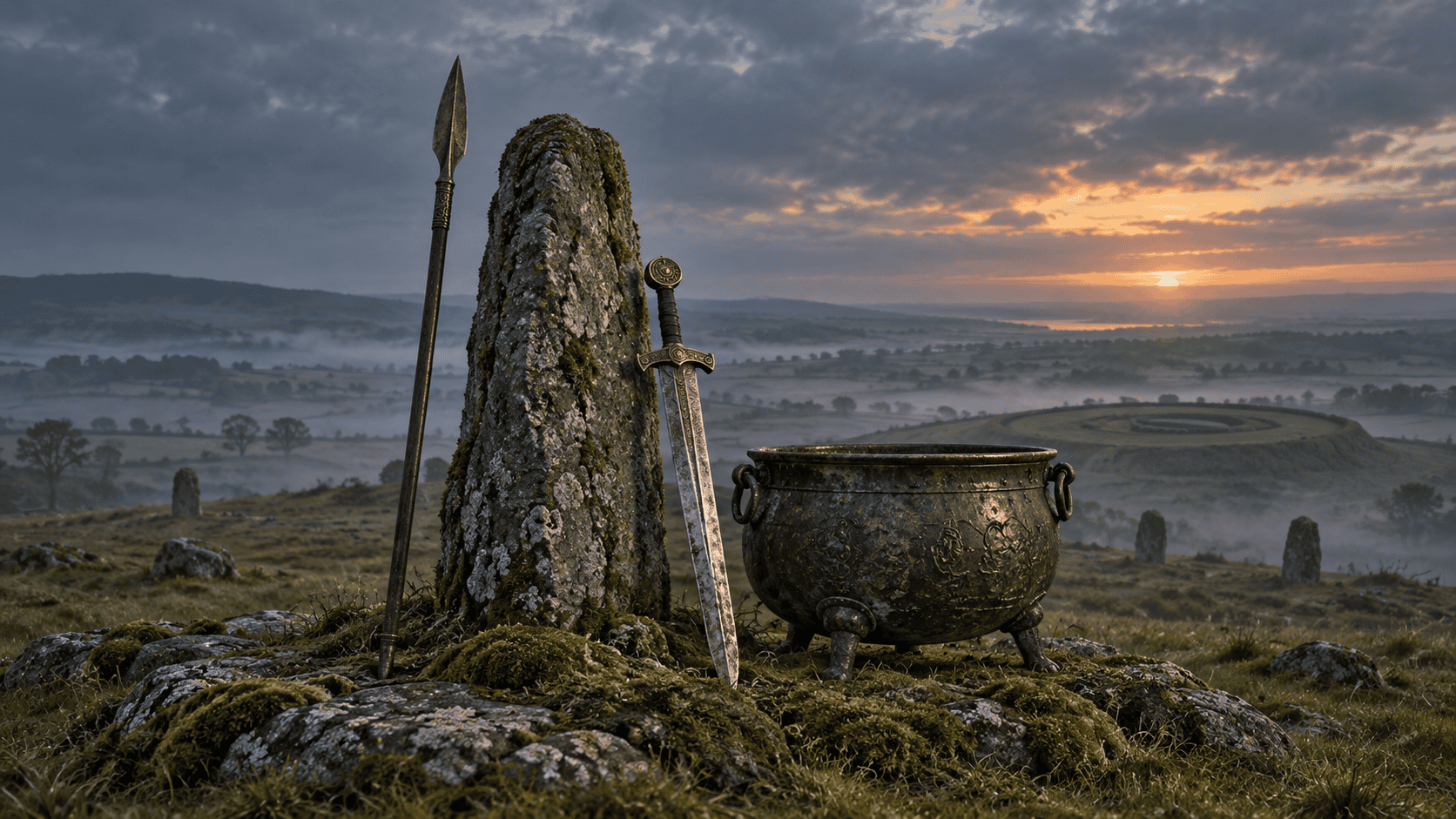
Danu is often called the mother of the Irish gods. Here is what the medieval Irish texts actually say about Danann, Anu and the Tuatha Dé Danann.
A stone that shouted for the true king, a spear that never lost, a sword no one escaped, and a cauldron that never emptied. The four treasures the gods brought to Ireland.
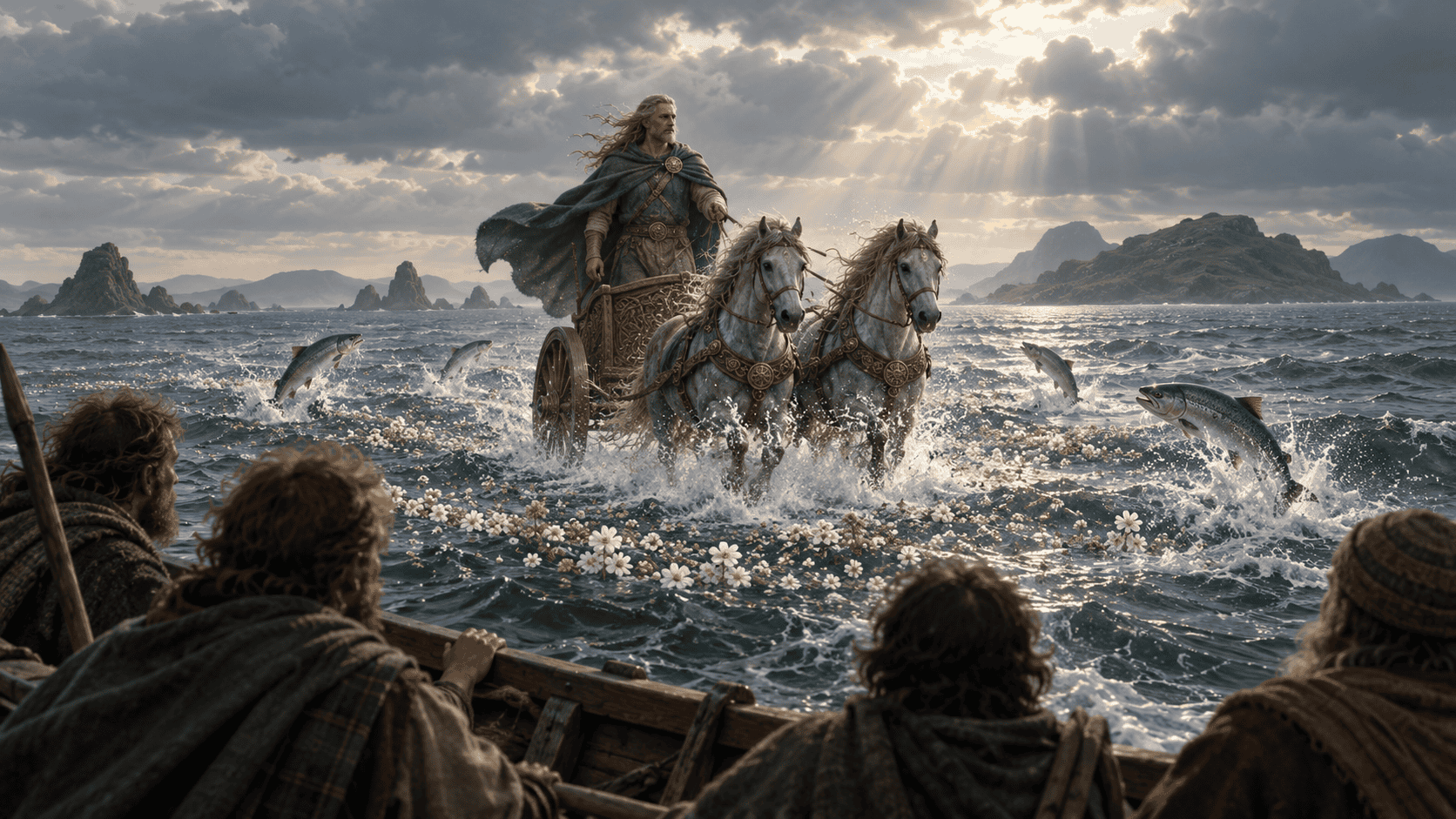
A god driving a chariot over the waves, a cloak that parts lovers forever, and a cup that breaks at a lie. Manannán mac Lir, lord of the sea and the Otherworld.
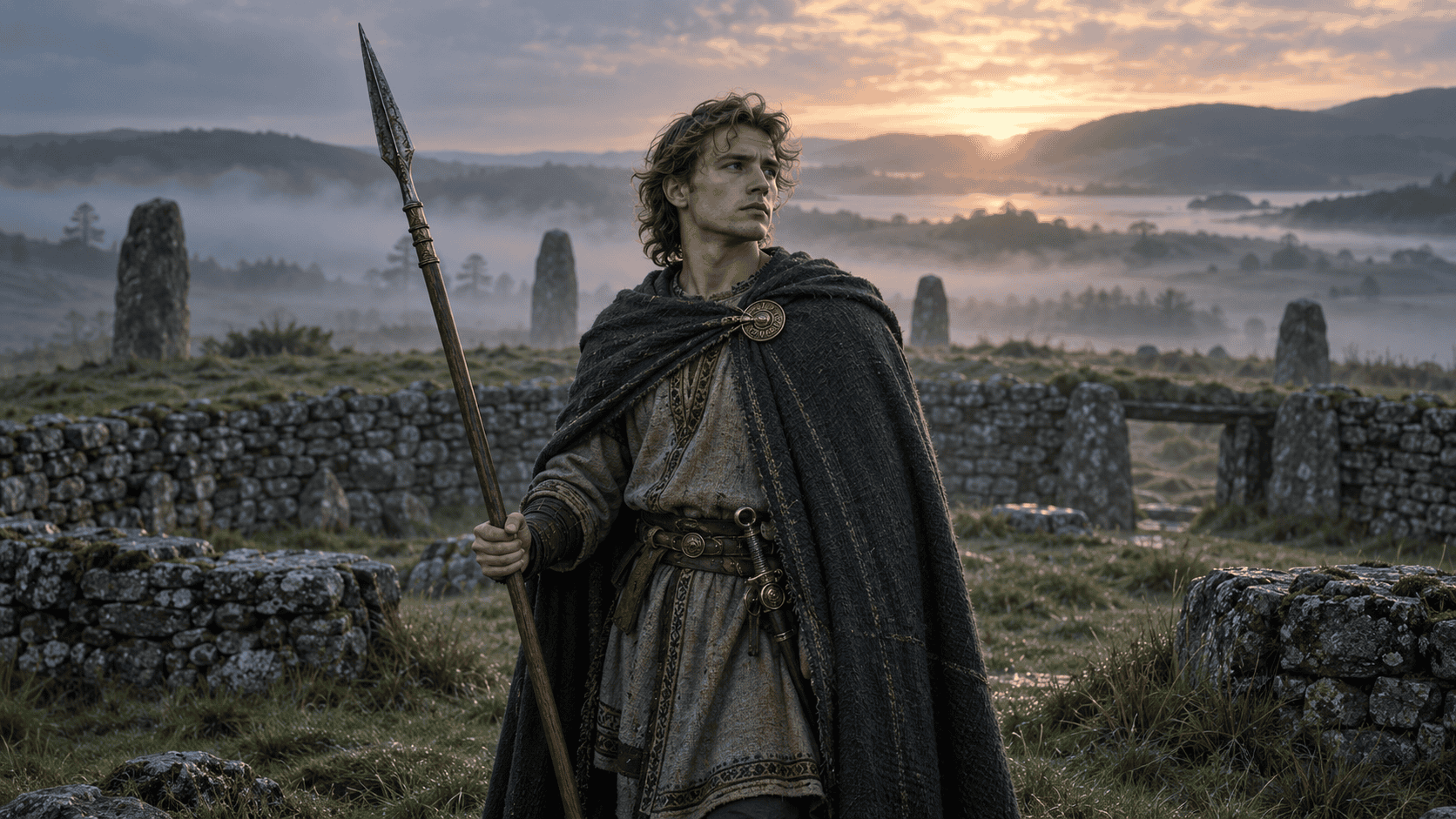
A stranger at the gates of Tara who could do everything, and a sling stone that pierced the evil eye. Lugh, the brilliant young god of the Tuatha Dé Danann.
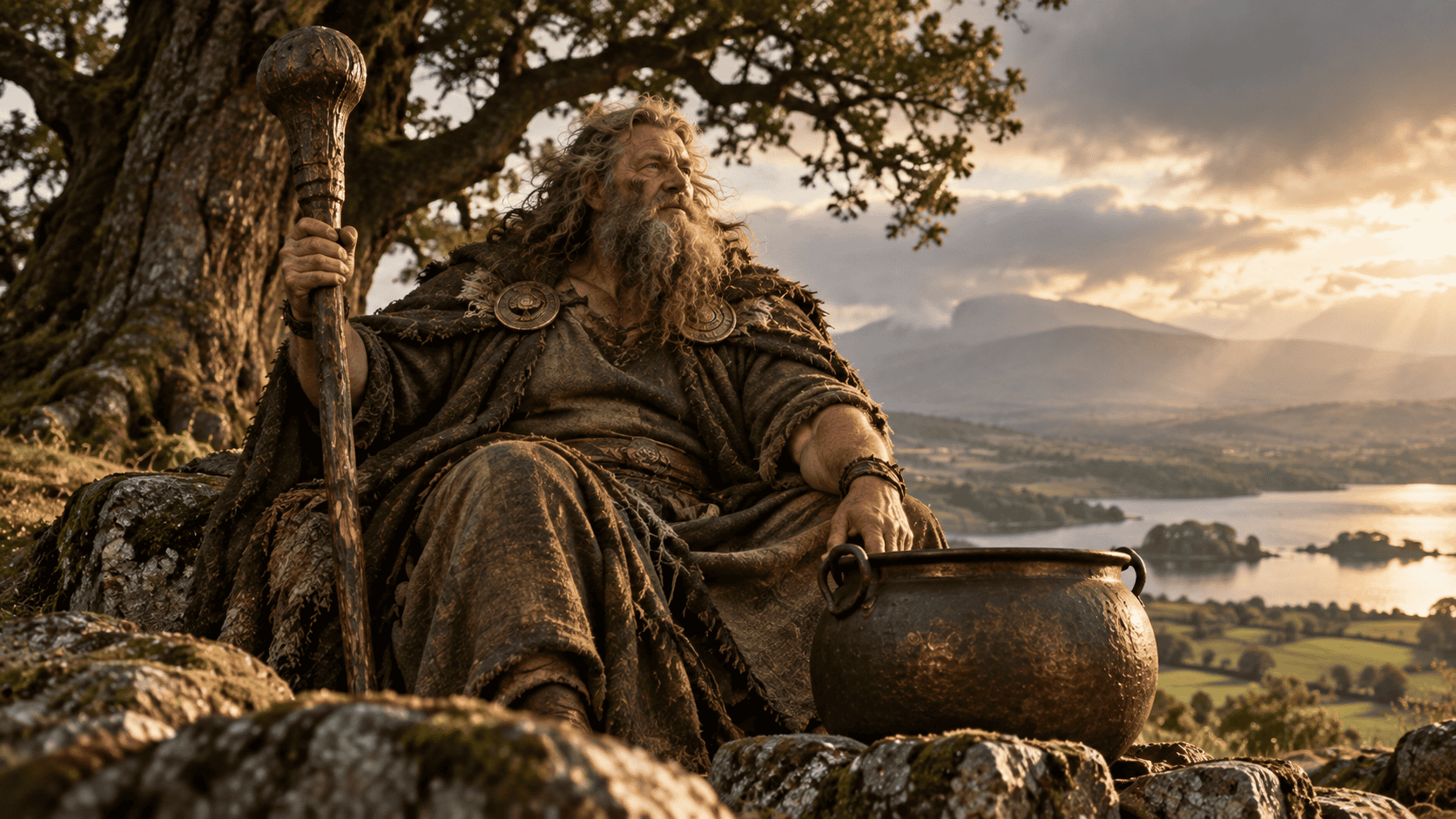
A giant dragging a club that carves boundary ditches, eating a pit of porridge with a ladle big enough for two. The Dagda, father of the Irish gods.
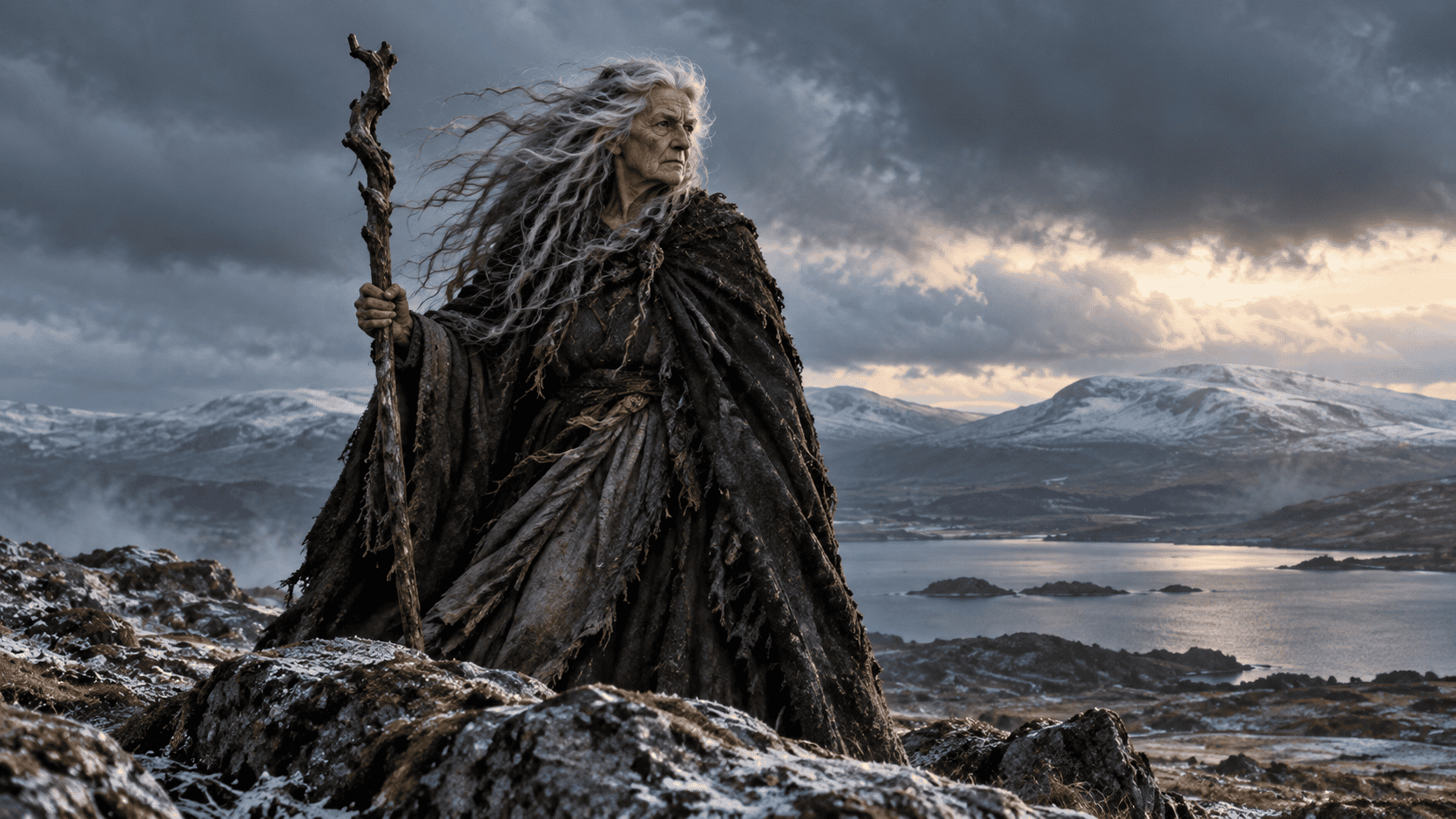
A stone woman looking out to sea, a lament for lost youth, and hills built from an apron full of rocks. The Cailleach, Ireland’s ancient hag of winter.
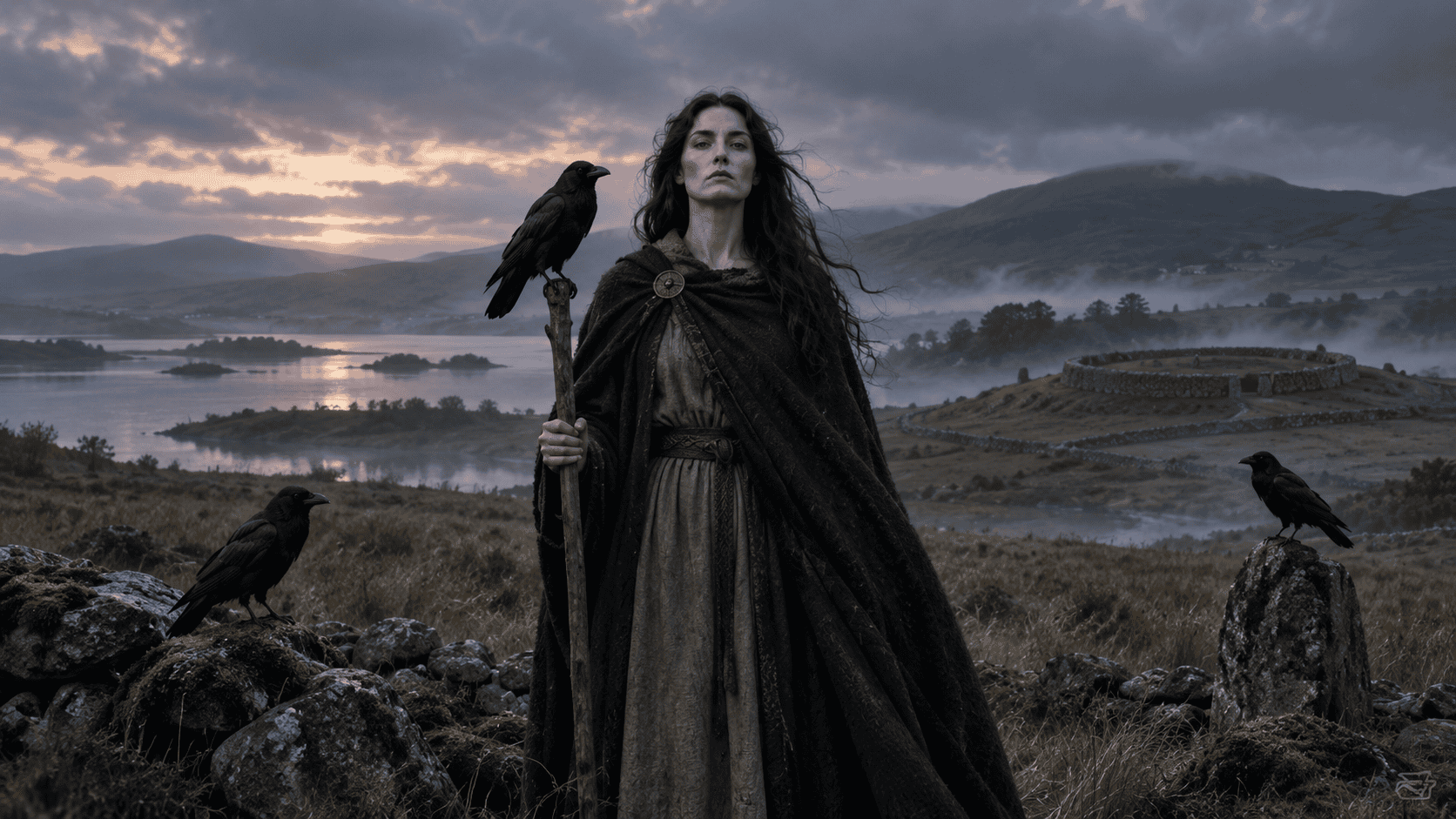
She washes at the river on Samhain, fights as an eel, a wolf, and a heifer, and waits on a hero’s shoulder at his death. Meet Ireland’s Phantom Queen.
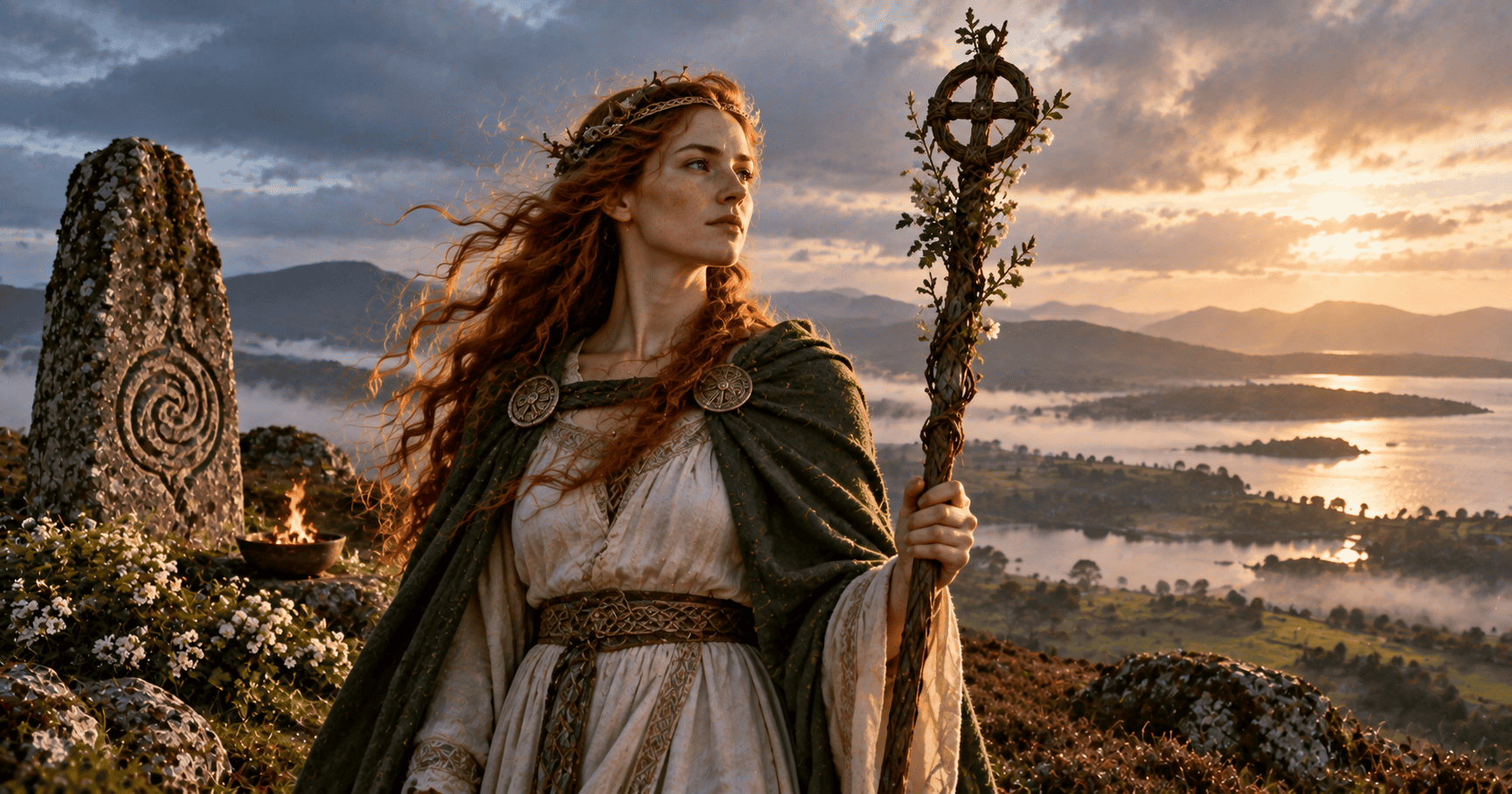
A goddess of poets, a saint of Kildare, and a fire that burned for centuries. Who Brigid was, and why the two are so hard to tell apart.
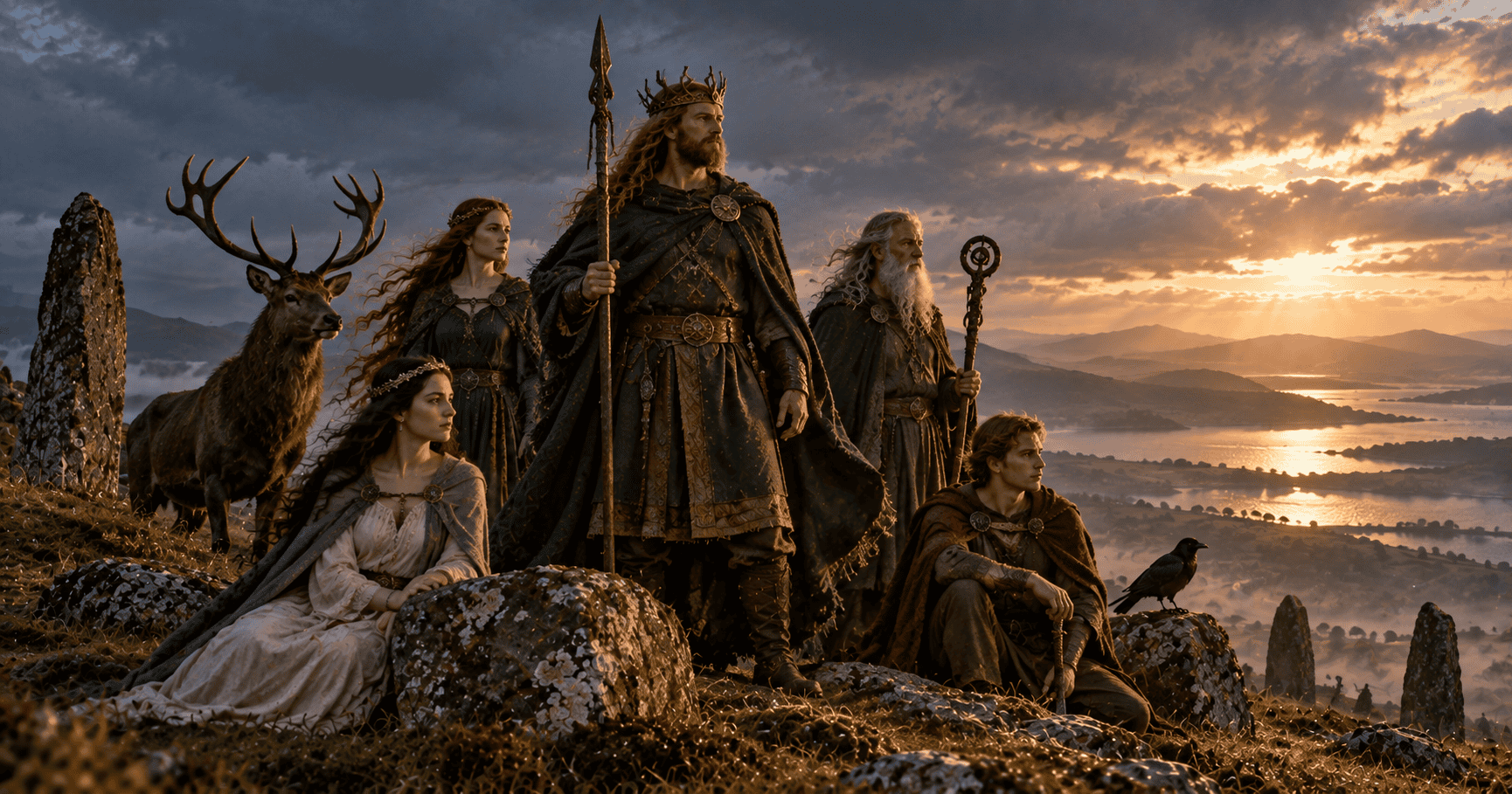
The Dagda, Lugh, the Morrígan and the rest of the Tuatha Dé Danann, and why they were never written down as a pantheon.