The Clurichaun: Ireland’s Drunken Fairy of the Wine Cellar
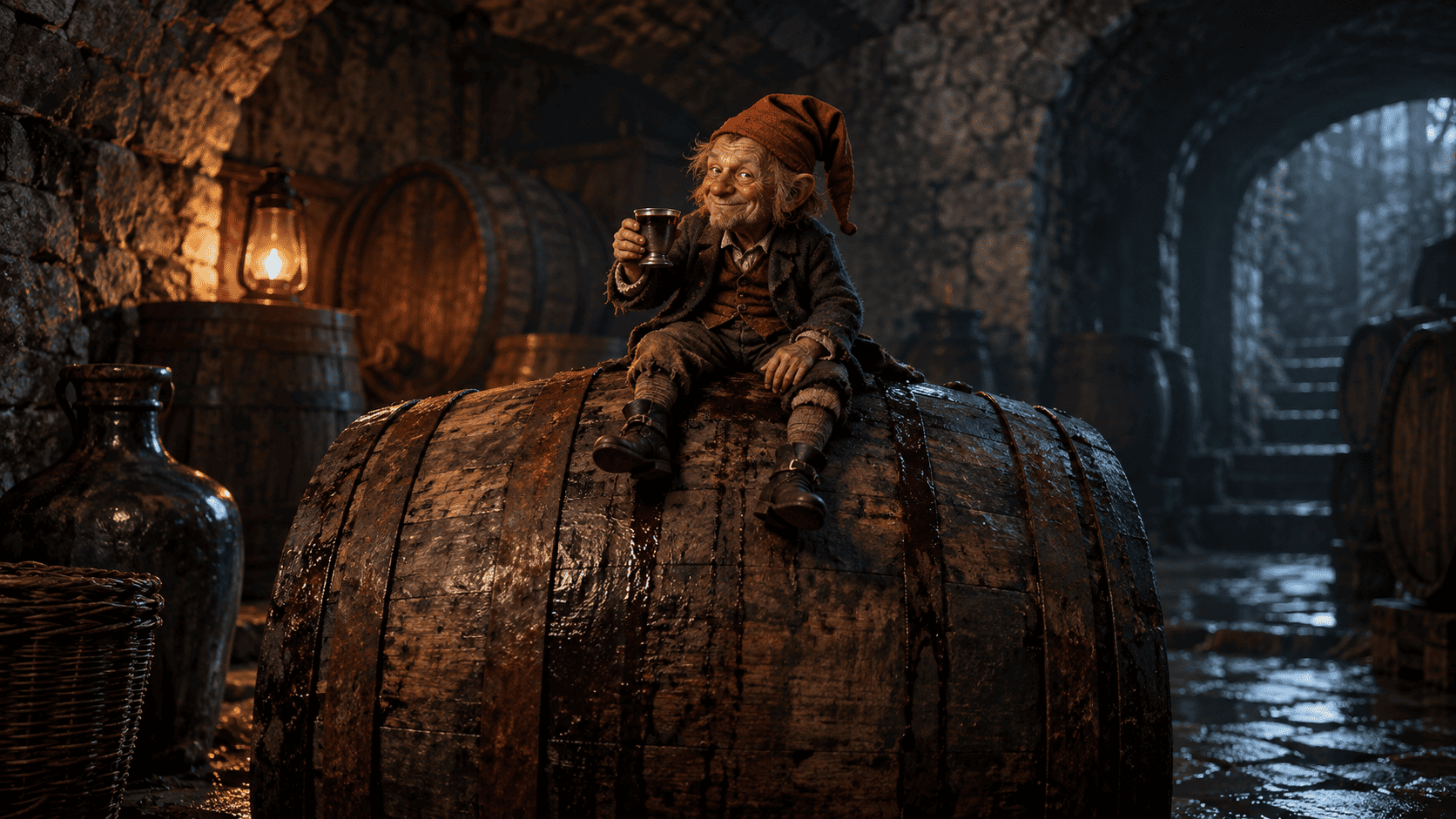
A six-inch fairy in a red nightcap, astride a barrel of the oldest port. The clurichaun of Irish folklore, and the master who found he could not leave him behind.
Irish folklore is filled with beings that exist somewhere between the natural world and the supernatural one. Some are feared, some are respected, and some are treated with deep caution, not because they are always evil, but because they belong to powers that do not follow human rules.
This category explores the many creatures and supernatural beings said to move through the Irish landscape and the unseen spaces around it. It includes well-known figures such as the Banshee, the Dullahan, and the Puca, along with darker or stranger beings like the Abhartach, the Fear Gorta, the Far Darrig, and the Bean Nighe. It also reaches into the older world of the Aos Sí, whose presence lies behind many Irish beliefs about fairy mounds, lonely roads, ancient forts, and places that should not be disturbed.
These beings are not simply storybook monsters. They are tied to omens, death, mischief, protection, hunger, transformation, and the dangerous closeness of the Otherworld. Some warn of what is coming. Some test human pride or foolishness. Some mislead travelers, guard hidden places, or appear at moments when the boundary between worlds feels especially thin.
What makes Irish folklore creatures so memorable is their nearness. These are not distant beings from some remote fantasy realm. They belong to hills, rivers, coastlines, crossroads, ruined places, and the edges of ordinary life. A Merrow may rise from the sea, a Banshee may be heard near a family home, and a Puca may appear on a dark road when the night feels wrong in a way that is hard to explain.
Understanding these creatures and beings is about more than identifying what they are. It is about seeing how Irish folklore imagined the world itself: alive with presence, layered with danger and mystery, and always close to forces that could not be fully seen or controlled. When read together, these beings reveal a connected supernatural tradition shaped by place, fear, memory, and belief.
The fairy folk, the death omens, the shapeshifters and the restless dead, sorted the way Irish tradition sorted them.
Read the Guide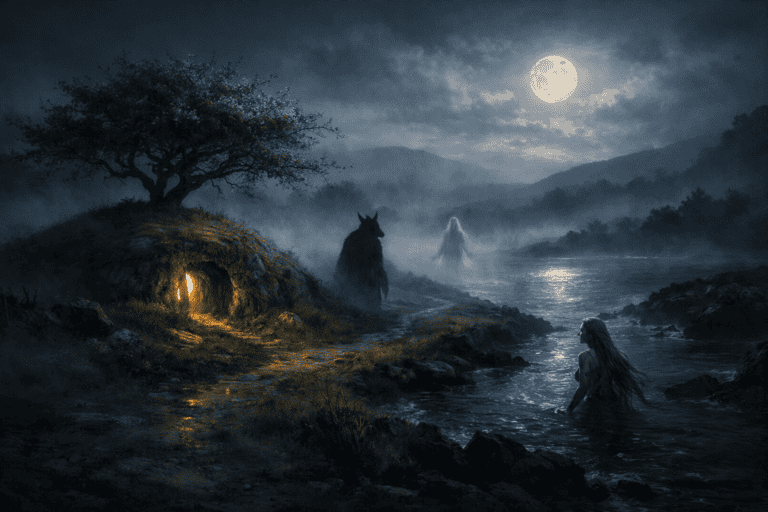
Irish folklore is filled with beings that exist somewhere between the natural world and the supernatural one. Some are feared, some are respected, and some are treated with deep caution, not because they are always evil, but because they belong to powers that do not follow human rules.
This category explores the many creatures and supernatural beings said to move through the Irish landscape and the unseen spaces around it. It includes well-known figures such as the Banshee, the Dullahan, and the Puca, along with darker or stranger beings like the Abhartach, the Fear Gorta, the Far Darrig, and the Bean Nighe. It also reaches into the older world of the Aos Sí, whose presence lies behind many Irish beliefs about fairy mounds, lonely roads, ancient forts, and places that should not be disturbed.
These beings are not simply storybook monsters. They are tied to omens, death, mischief, protection, hunger, transformation, and the dangerous closeness of the Otherworld. Some warn of what is coming. Some test human pride or foolishness. Some mislead travelers, guard hidden places, or appear at moments when the boundary between worlds feels especially thin.
What makes Irish folklore creatures so memorable is their nearness. These are not distant beings from some remote fantasy realm. They belong to hills, rivers, coastlines, crossroads, ruined places, and the edges of ordinary life. A Merrow may rise from the sea, a Banshee may be heard near a family home, and a Puca may appear on a dark road when the night feels wrong in a way that is hard to explain.
Understanding these creatures and beings is about more than identifying what they are. It is about seeing how Irish folklore imagined the world itself: alive with presence, layered with danger and mystery, and always close to forces that could not be fully seen or controlled. When read together, these beings reveal a connected supernatural tradition shaped by place, fear, memory, and belief.
A six-inch fairy in a red nightcap, astride a barrel of the oldest port. The clurichaun of Irish folklore, and the master who found he could not leave him behind.
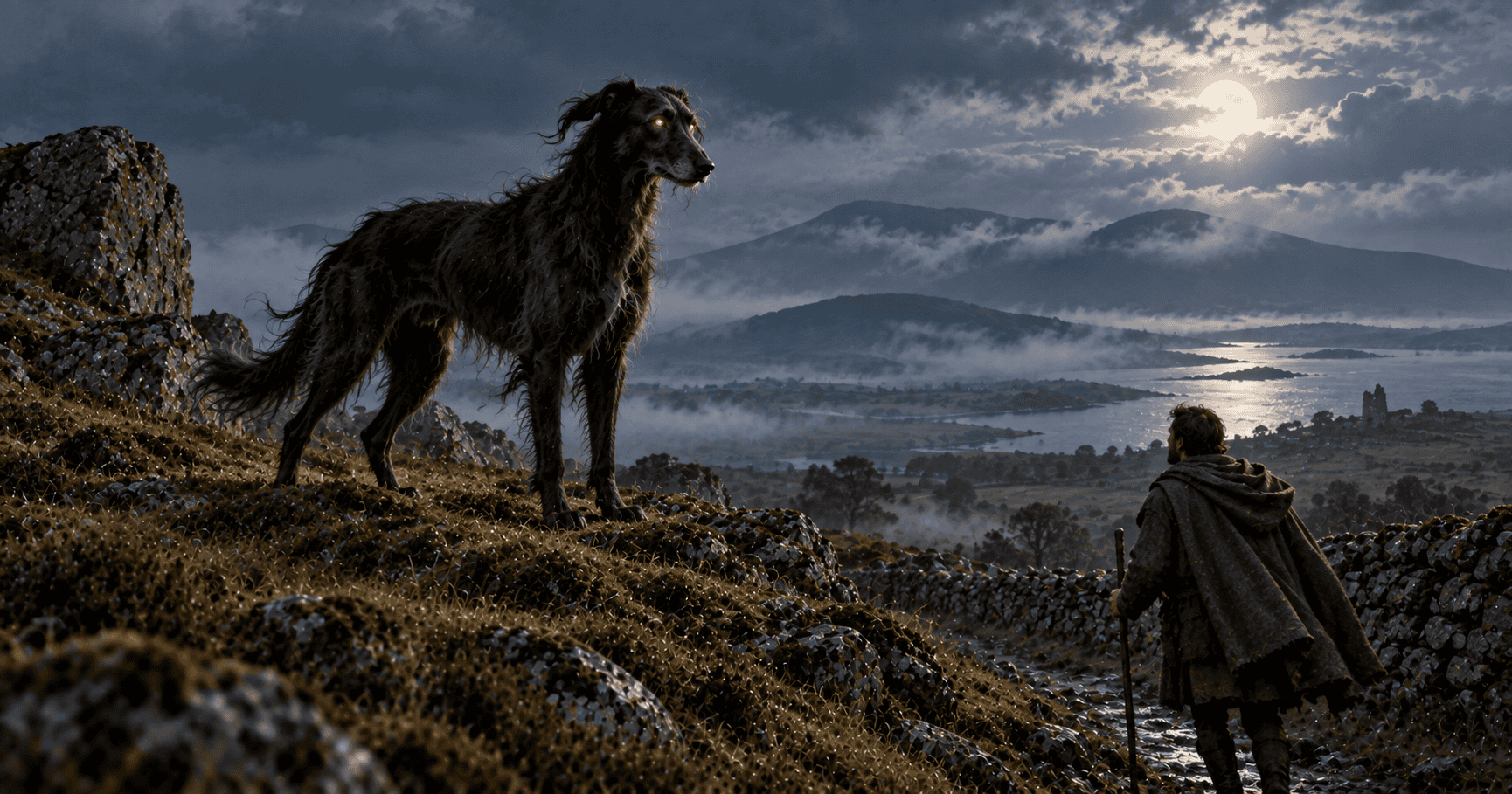
A bark on the moor at night, then a long silence, then another. The fairy hound of the Highlands, and why you had to be home before the third.
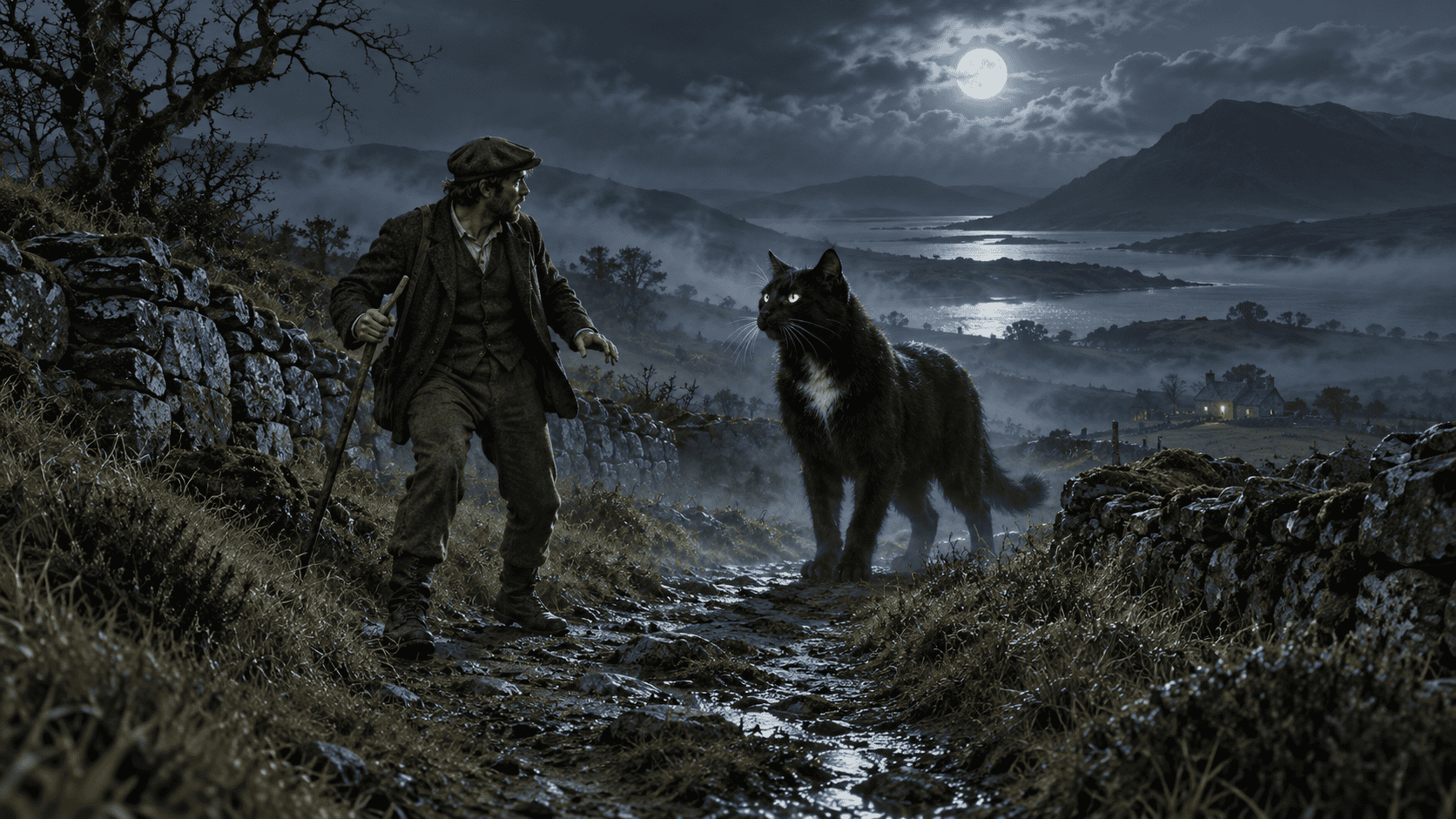
A black cat as big as a dog on a Highland path at dusk, and a king of cats who carried off Ireland’s chief poet. The fairy cat, and what the old sources really say about it.
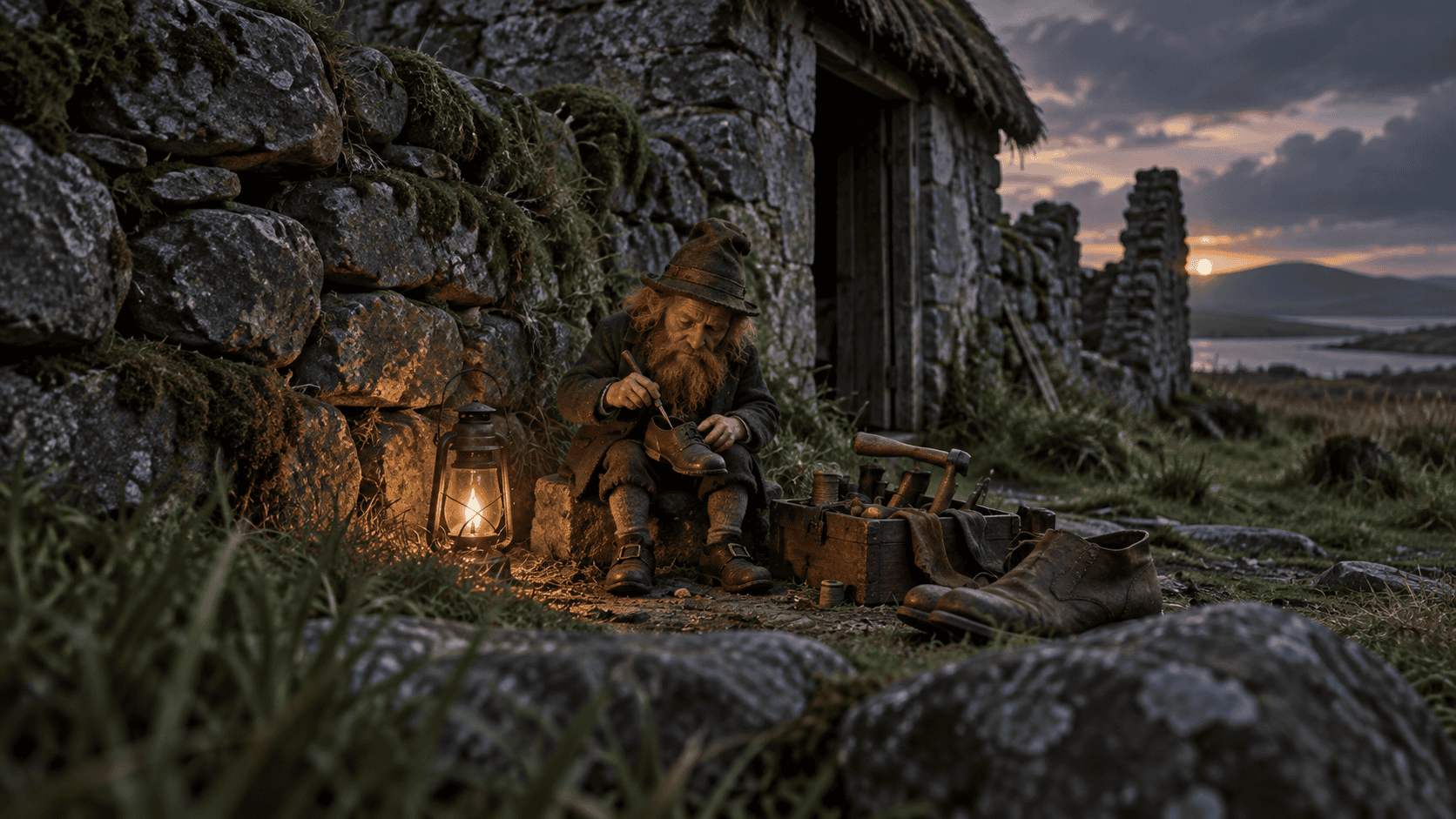
A tapping hammer under the hedge, a crock of gold in the field, and a promise kept to the letter. The real leprechaun, and how he ended up in green.
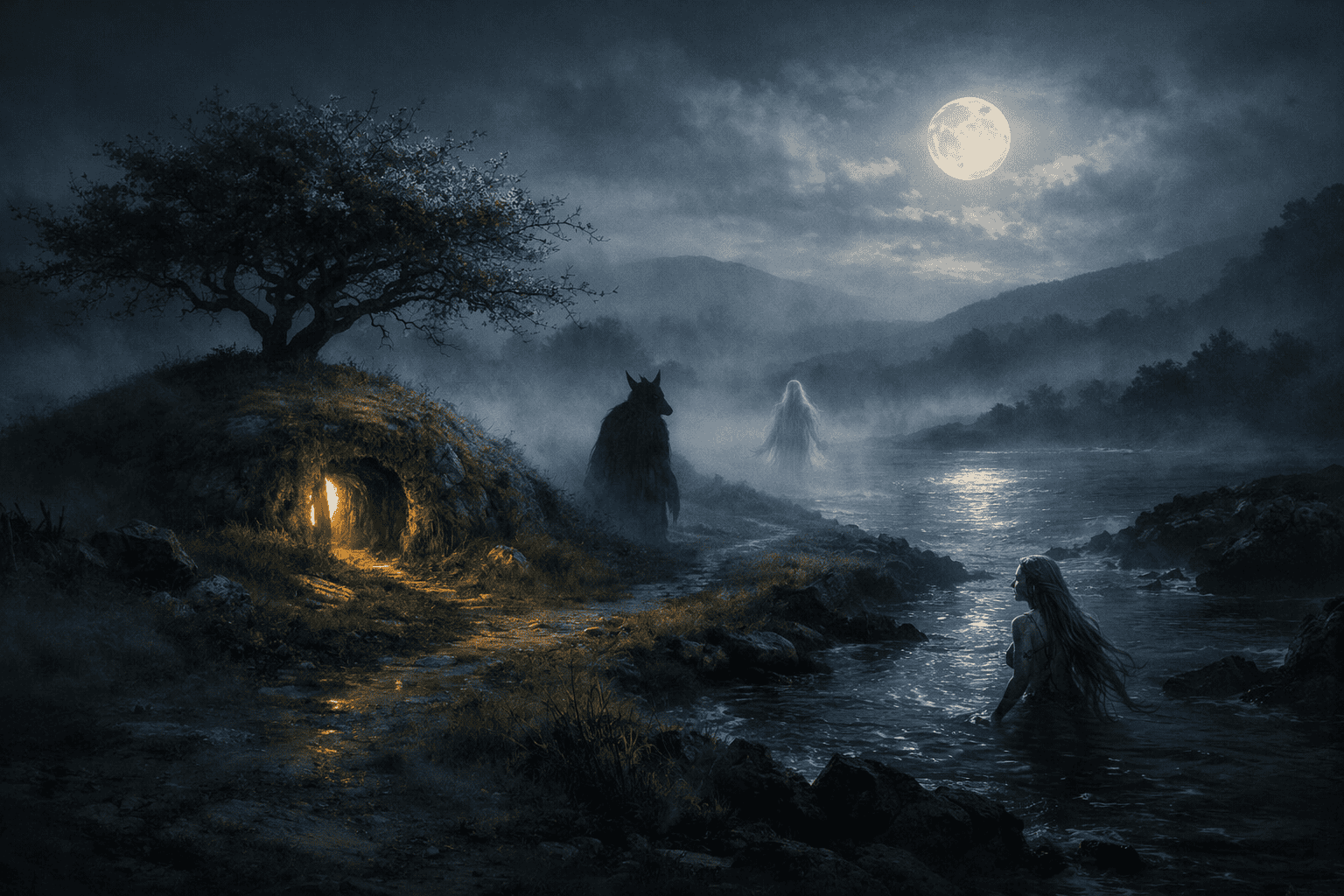
The fairy folk, the death omens, the shapeshifters and the restless dead, sorted the way Irish tradition sorted them.
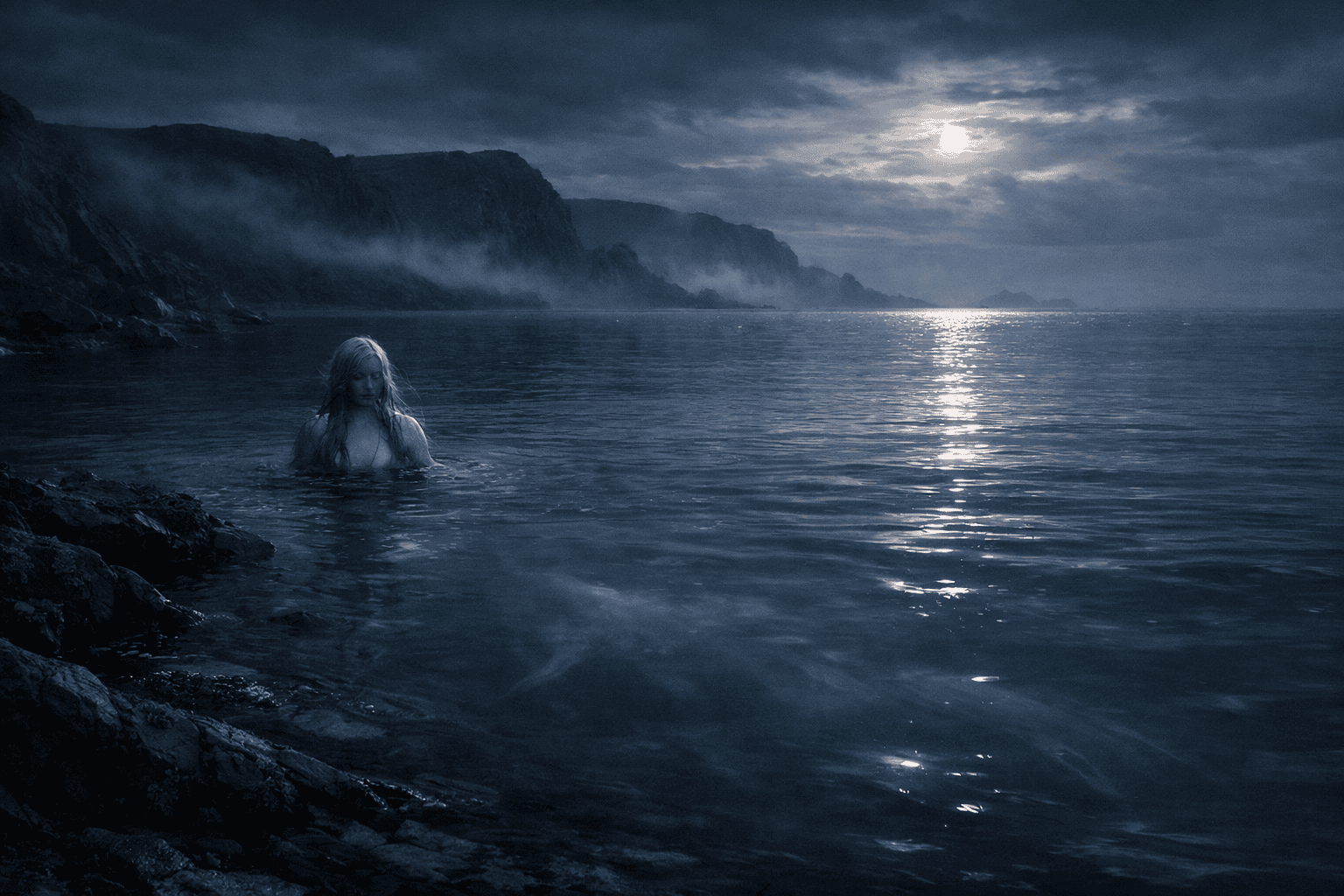
A horse that gallops into the lake, a water hound carved on a gravestone, and families descended from seals. The beings Irish folklore put in its waters.
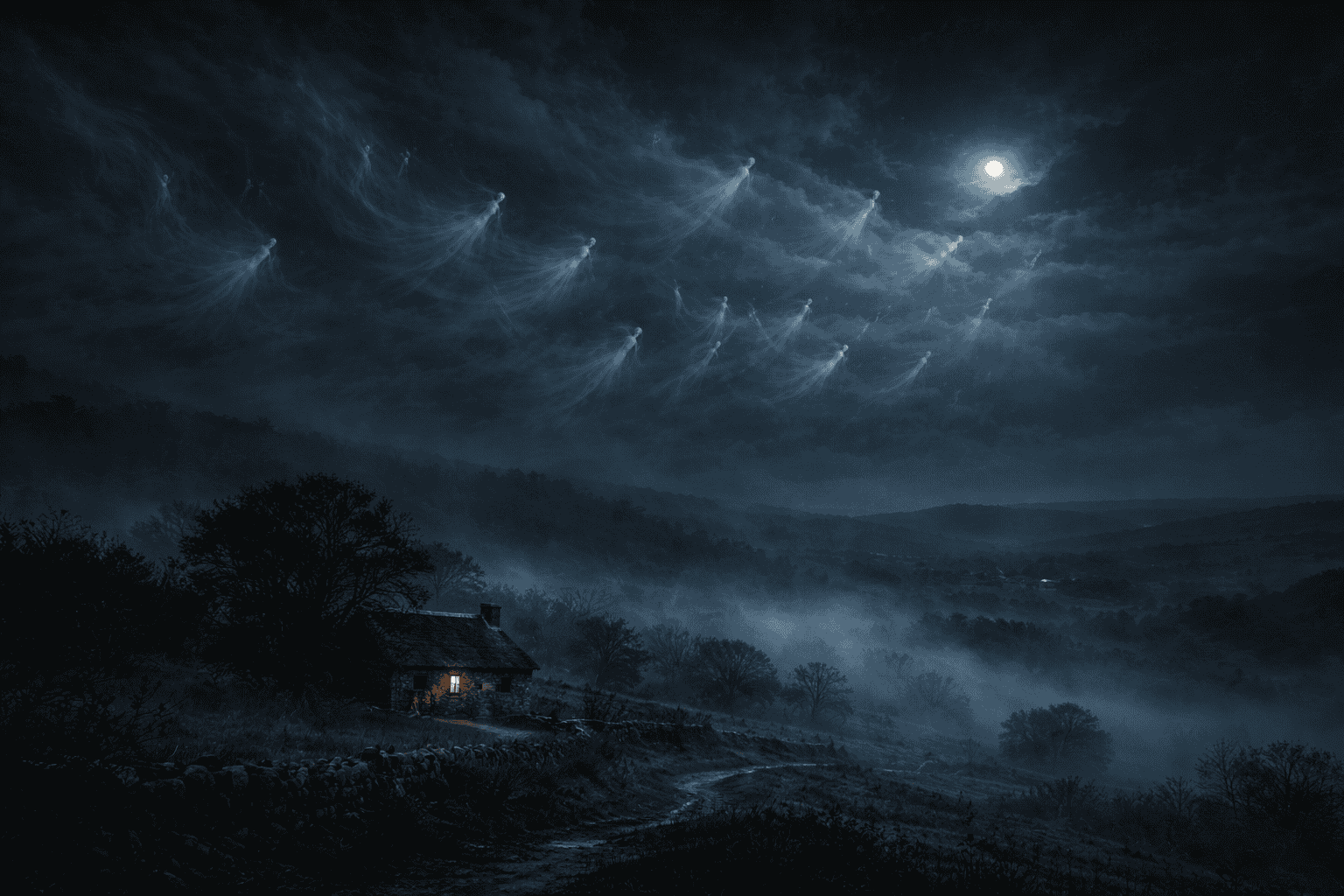
A dark flock sweeping in from the west at nightfall, and a family shutting the window beside a deathbed. The host of the restless dead, and its cousin, the Irish fairy host.
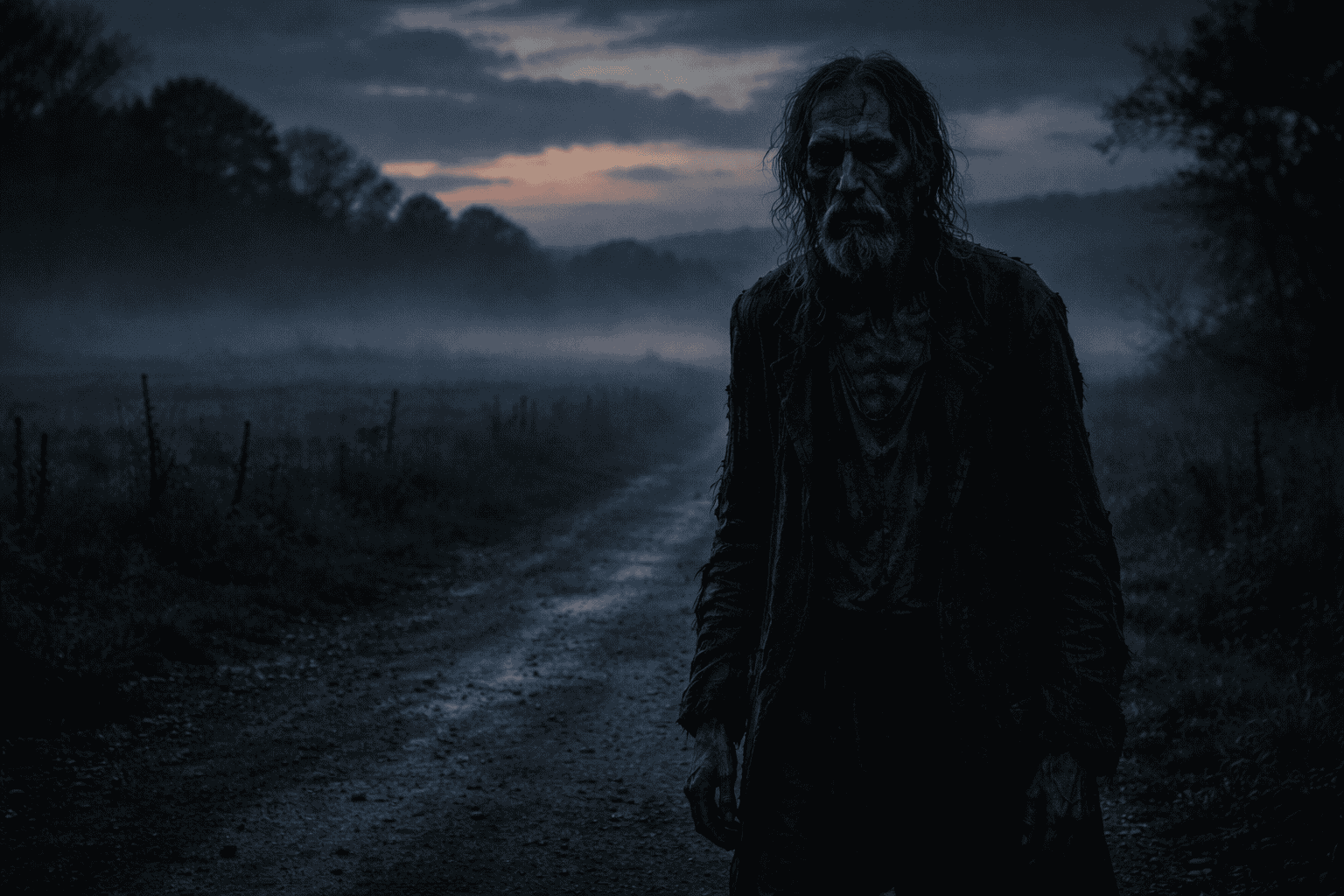
A starving stranger at the door in a bad year, asking for bread. The man of hunger in Irish folklore, the hungry grass, and why no one turned him away.
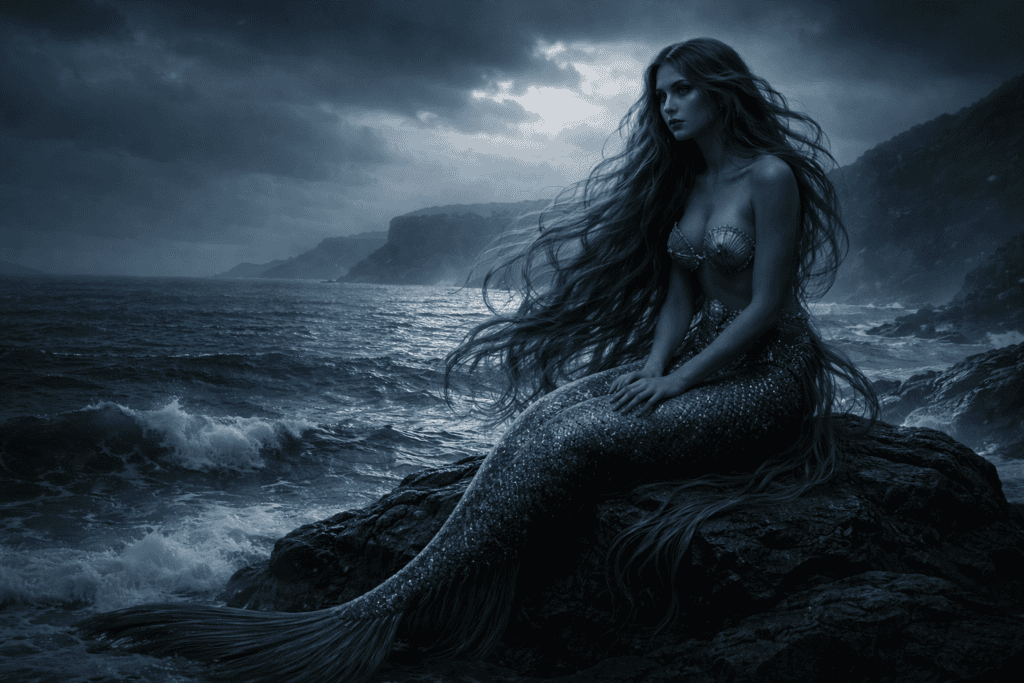
A woman combing green hair on a rock, and a red cap lying beside her. The merrows of Irish folklore, and the fisherman who stole one’s way home.
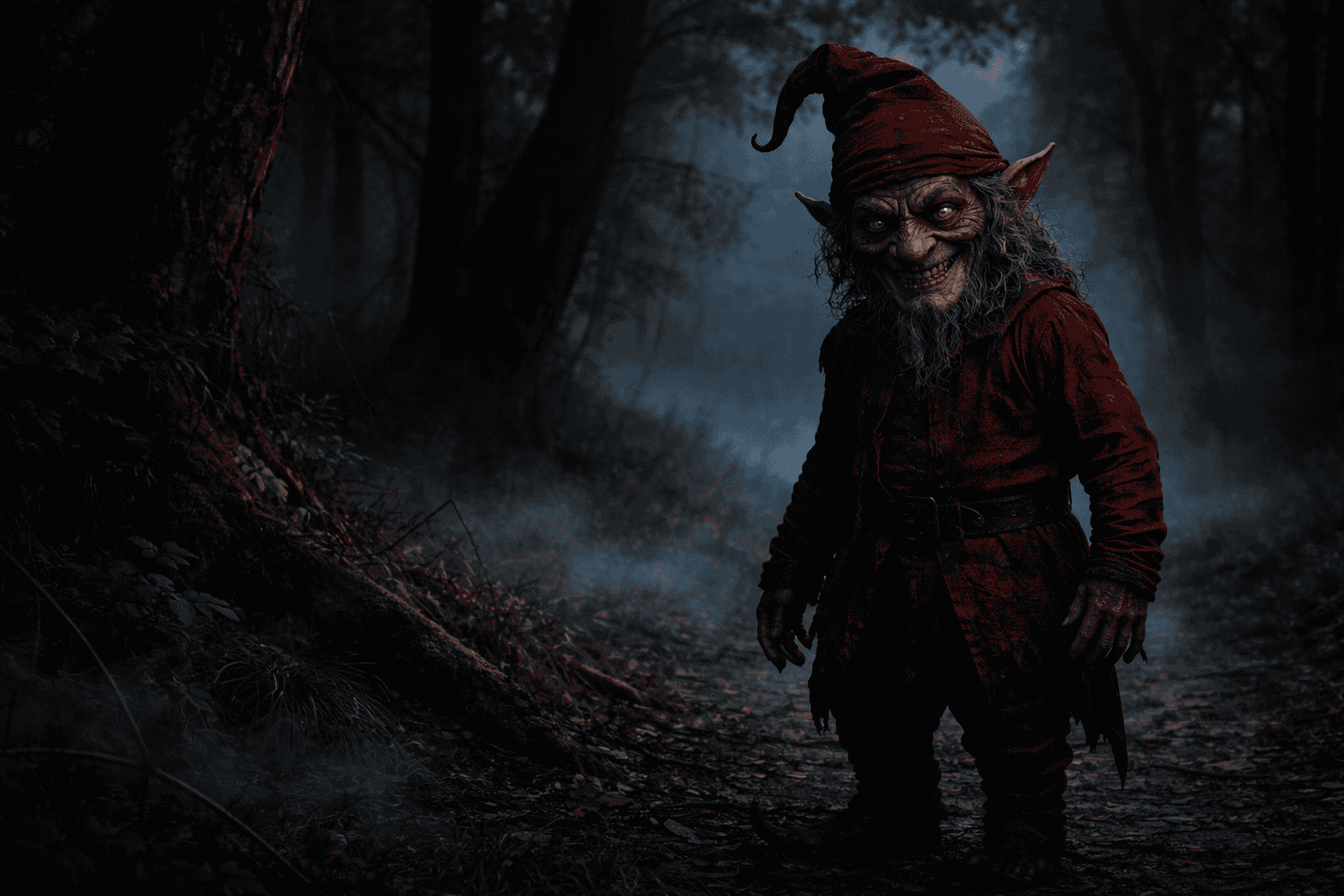
A little man in red at the door on a stormy night, and a tinker who spends the night roasting a corpse. The far darrig, and his very dark sense of humor.