In Short
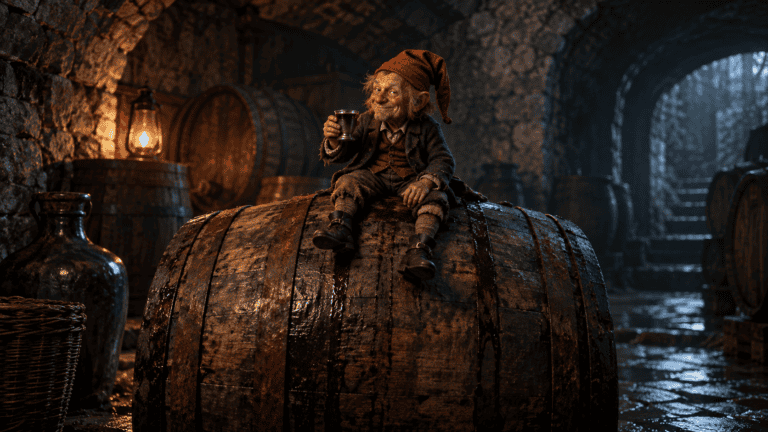
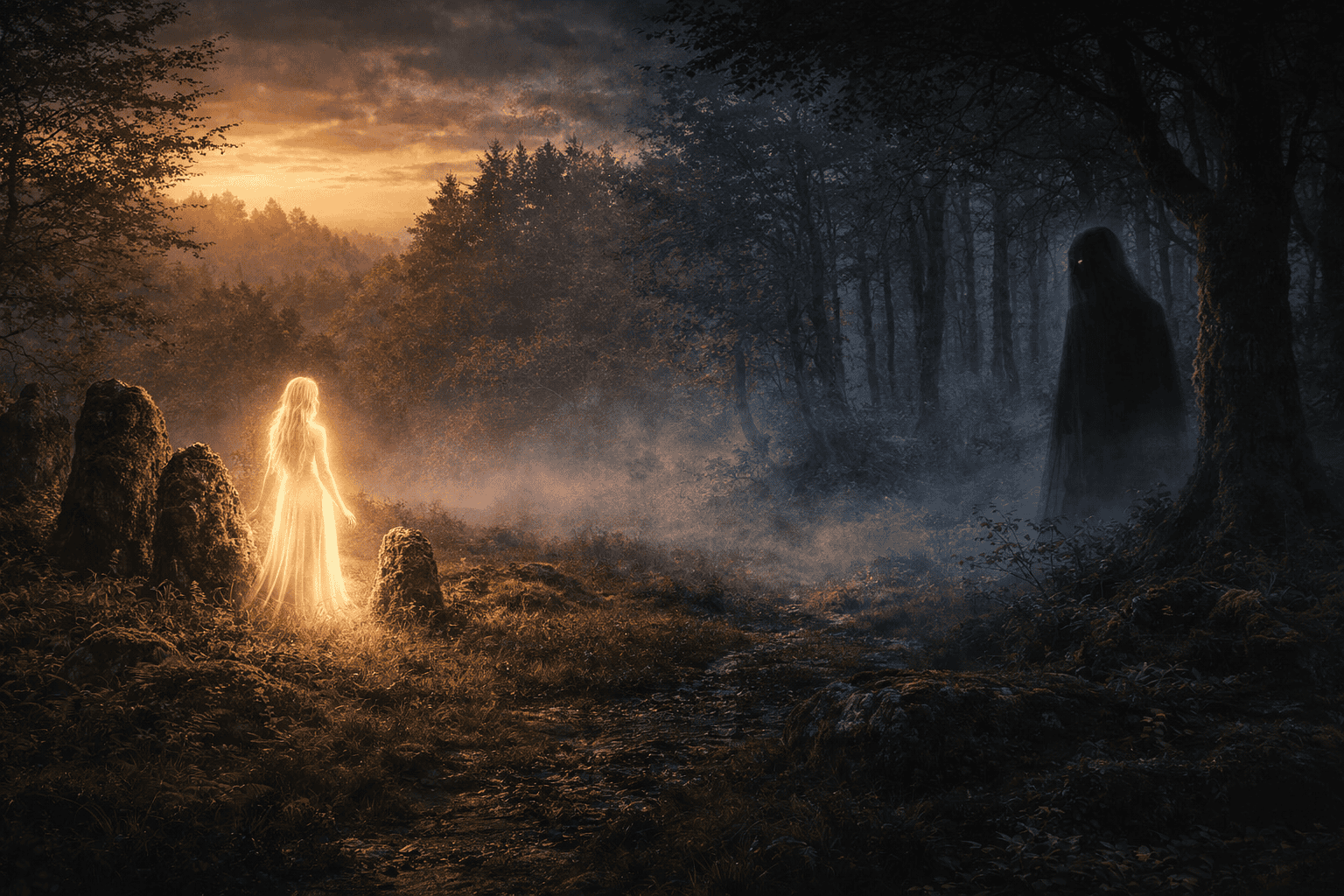
In Irish folklore, the fairies are neither good nor evil. They are powerful neighbors with their own laws, pride, and moods: generous to people who treat them well, and ruthless with people who insult them or trespass on their places. Many country people explained this in Christian terms, saying the fairies were angels who fell from heaven but were not wicked enough for hell. That in-between status, not quite damned and not quite saved, is the key to how the Irish thought about them.
| Short answer | Neither good nor evil; best treated with respect |
|---|---|
| Why “the Good People” | A polite name used out of caution, not affection |
| Popular explanation | Fallen angels, not good enough for heaven or bad enough for hell |
| When they help | Kindness, courtesy, sharing, respecting their places |
| When they harm | Insults, spying, boasting, damaging forts and fairy trees |
| Classic tale of both | “The Legend of Knockgrafton,” Croker, 1825 |
| Not Irish | The Seelie and Unseelie Courts, which come from Scottish lore |
The Short Answer
Ask an Irish storyteller whether the fairies were good or bad, and you would probably get a careful answer: they were good to those who were good to them. The Irish fairies, the Aos Sí, were not demons, and they were not guardian angels. They were a hidden people with their own society, their own laws, and a long memory for favors and insults. Like a powerful and touchy neighbor, they could make life easier or much harder, depending on how they were treated.
That is why people called them na daoine maithe, “the Good People.” The name was not a description. It was a courtesy, used in the hope that flattering them would keep them friendly, and because it was thought unwise to speak of them too plainly.
Neither Saved nor Damned
Irish country people had their own explanation for why the fairies were neither good nor evil. When Lucifer rebelled against God, the story went, the angels who sided with him were cast down into hell. But some angels had hesitated, taking neither side, and they fell only as far as the earth, the sea, and the air. Those became the fairies. W. B. Yeats recorded the belief in 1888, describing them as “fallen angels who were not good enough to be saved, nor bad enough to be lost.”
That in-between state was thought to trouble the fairies themselves. In a story collected by Thomas Crofton Croker in 1825, “The Priest’s Supper,” the fairies are anxious to learn whether they will be saved at the Last Judgment, and they send a man to put the question to a priest on their behalf. Stories like this gave the fairies a strange, almost sympathetic dignity. They were not simply monsters, but beings whose ultimate fate was uncertain.
An older tradition traced the fairies to the Tuatha Dé Danann, the divine race of Irish mythology, who withdrew into the hills when the ancestors of the Irish took the land. Seen that way, they were the old gods of Ireland in retreat: dignified, proud, and not to be trifled with.
When the Fairies Helped
Irish folklore has plenty of stories in which the fairies reward people. A kind word, shared food, or a small service could bring good luck, a full churn, or a healthy harvest. Some of the finest traditional tunes were said to have been learned from fairy musicians, and the fairies were sometimes credited with healing knowledge passed on to local fairy doctors.
The best-known example is “The Legend of Knockgrafton,” another of Croker’s stories. A kind, good-humored basket weaver with a hunched back, nicknamed Lusmore, rests beside a fairy mound in the Glen of Aherlow and hears the fairies singing the same short phrase of a song over and over. He politely adds a new phrase to finish it. The fairies are so delighted that they lift the hump from his back and send him home straight-backed and in new clothes.
When the Fairies Harmed
The same story shows the other side. When a bad-tempered neighbor hears of Lusmore’s luck, he goes to the mound to try the same trick, but he barges into the song rudely and ruins it. The fairies punish him by giving him Lusmore’s hump on top of his own.
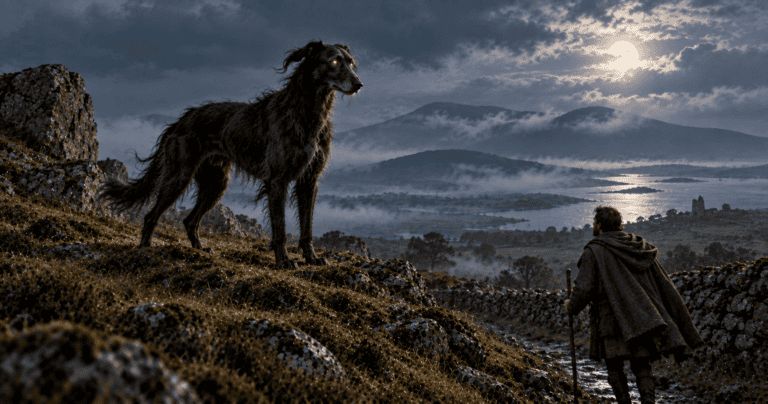
That pattern runs through Irish fairy lore. The fairies punished rudeness, greed, spying, and boasting, and above all, trespass. Damaging a fairy fort, cutting a fairy tree, or building across a fairy path was believed to bring illness, lost cattle, failed crops, or a death in the family. Some fairy harm seemed to have no cause at all: a sudden pain, a stroke, a child who sickened and was thought to be a changeling. The fairies were believed to take butter, cattle, and even people simply because they wanted them.
What About the Banshee and the Dullahan?
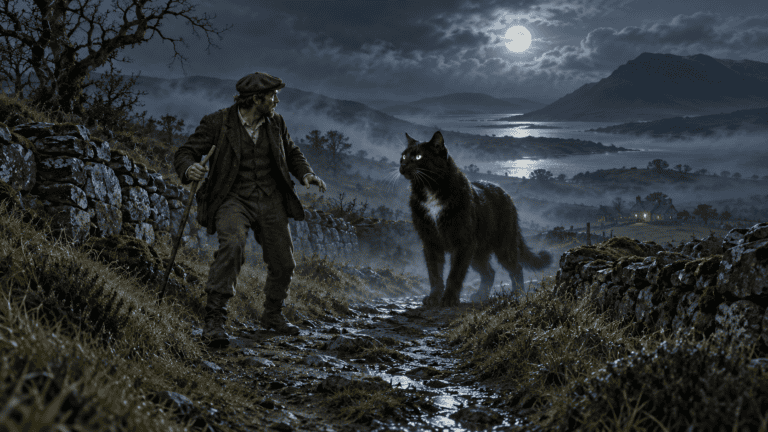
People often point to Ireland’s death omens as proof that the fairies were evil, but the tradition saw them differently. The banshee does not cause death. She announces it, and in many accounts she mourns for the families she follows, which were proud to have her. The dullahan is far more frightening, since his stopping at a door means a death is certain, but even he is usually described as a messenger of fate rather than a killer acting out of malice.
The Seelie and Unseelie Courts Are Not Irish
Many websites divide fairies into the Seelie Court, the good fairies, and the Unseelie Court, the wicked ones. That division comes from Scottish folklore, not Irish, and it has been spread widely by fantasy fiction and games. Irish tradition never split its fairies into a good court and a bad court. The same Aos Sí who might reward you one night could punish you the next, depending on how you behaved.
So Should You Be Afraid of Irish Fairies?
According to tradition, you should be careful rather than afraid. The old advice was simple: speak well of the Good People, keep away from their places after dark, never damage a fort or a lone thorn, share what you have, and do not boast of your luck. Follow those rules, and the fairies were thought to leave you in peace, or even to repay you. Break them, and you had only yourself to blame.
Sources and Further Reading
- Thomas Crofton Croker, Fairy Legends and Traditions of the South of Ireland, John Murray (1825).
- W. B. Yeats, ed., Fairy and Folk Tales of the Irish Peasantry, Walter Scott (1888).
- Lady Augusta Gregory, Visions and Beliefs in the West of Ireland, G. P. Putnam’s Sons (1920).
- Katharine Briggs, An Encyclopedia of Fairies, Pantheon Books (1976).
- Eddie Lenihan and Carolyn Eve Green, Meeting the Other Crowd: The Fairy Stories of Hidden Ireland, Tarcher (2004).