Celtic Knots: Meanings and Origins
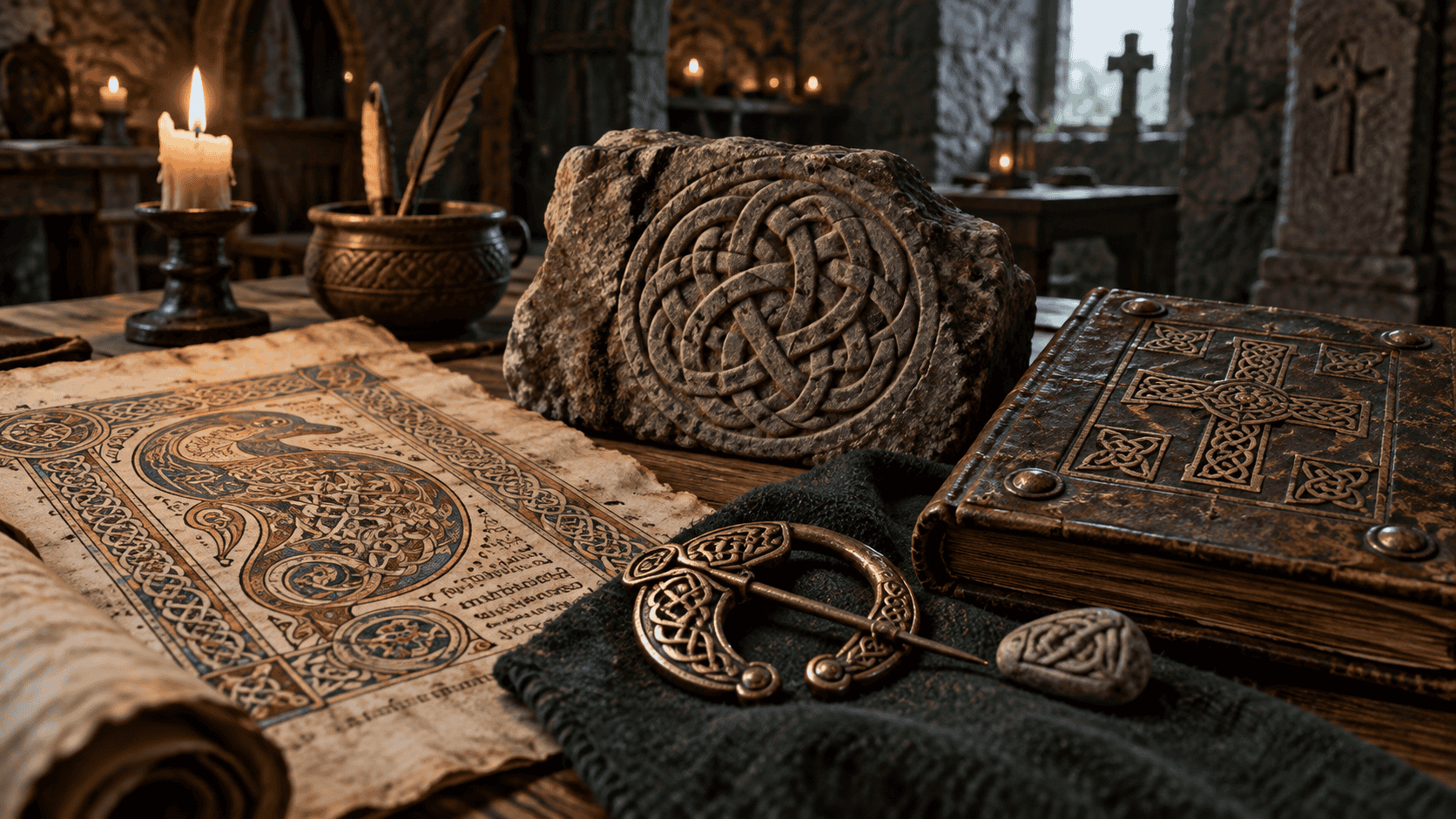
Endless lines that loop over and under, drawn by monks twelve centuries ago. The real origins of Celtic knots, and where their modern meanings came from.
Irish folklore is not only made of stories. It is also built on beliefs that shaped how people lived, behaved, and understood the world around them.
This category explores the signs, omens, and traditions that were once taken seriously in everyday life. From warnings about fairy rings and forts to customs surrounding death, luck, and protection, these beliefs reflect a worldview where the natural and supernatural were never fully separate.
Many of these ideas were not abstract. They influenced real decisions: where to walk, what to say, when to act, and what to avoid. A ring of mushrooms could be more than a natural formation. A sound in the night could carry meaning. Certain days of the year could change what was possible.
While some of these beliefs may seem unusual today, they reveal something deeper about Irish folklore. They show a culture that paid close attention to its surroundings and treated the unknown with caution and respect.
Understanding these superstitions is not just about learning old customs. It is about seeing how people made sense of a world that felt alive, layered, and sometimes unpredictable.
A clock stopped at a wake, a crooked furrow around a hawthorn, and "God bless it" after praising a baby. The superstitions that shaped everyday life in Ireland.
Read the Guide
Irish folklore is not only made of stories. It is also built on beliefs that shaped how people lived, behaved, and understood the world around them.
This category explores the signs, omens, and traditions that were once taken seriously in everyday life. From warnings about fairy rings and forts to customs surrounding death, luck, and protection, these beliefs reflect a worldview where the natural and supernatural were never fully separate.
Many of these ideas were not abstract. They influenced real decisions: where to walk, what to say, when to act, and what to avoid. A ring of mushrooms could be more than a natural formation. A sound in the night could carry meaning. Certain days of the year could change what was possible.
While some of these beliefs may seem unusual today, they reveal something deeper about Irish folklore. They show a culture that paid close attention to its surroundings and treated the unknown with caution and respect.
Understanding these superstitions is not just about learning old customs. It is about seeing how people made sense of a world that felt alive, layered, and sometimes unpredictable.
Endless lines that loop over and under, drawn by monks twelve centuries ago. The real origins of Celtic knots, and where their modern meanings came from.
Explore death omens in Irish folklore, including the banshee, animal signs, and supernatural warnings believed to foretell death.
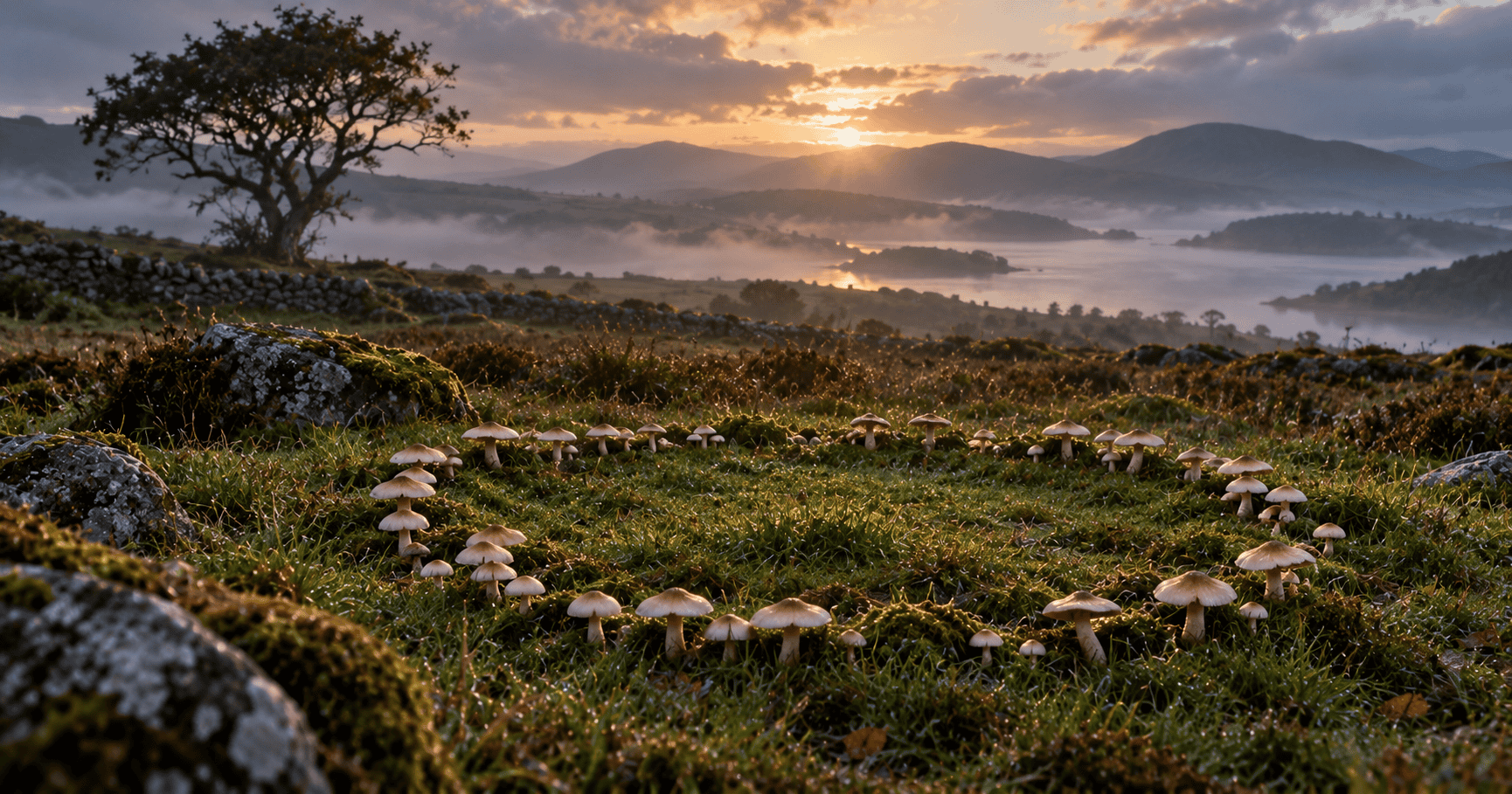
A perfect circle of mushrooms in the morning grass, where the fairies danced the night before. Why you should never step inside, and what really makes the ring.
A clock stopped at a wake, a crooked furrow around a hawthorn, and “God bless it” after praising a baby. The superstitions that shaped everyday life in Ireland.
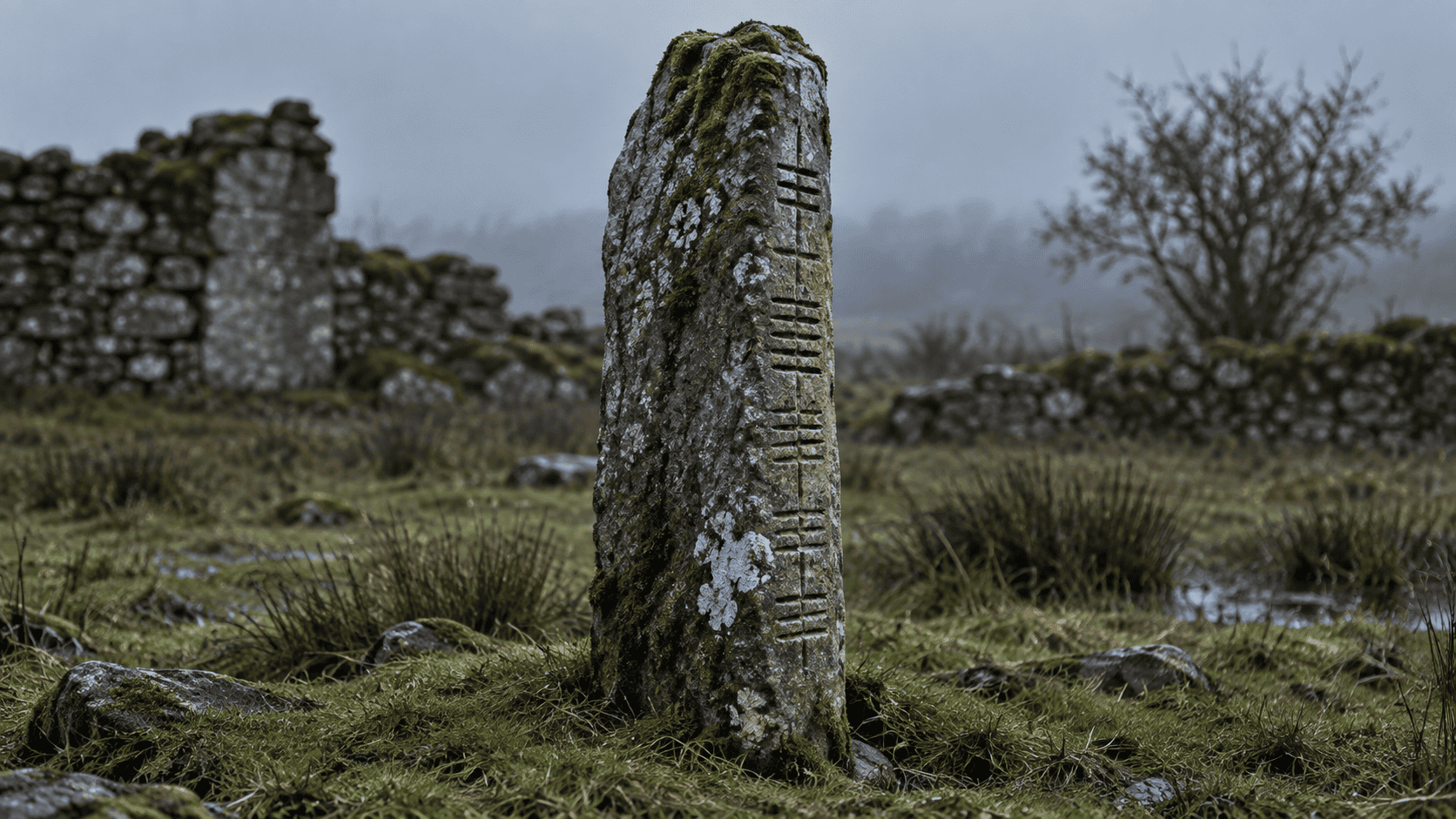
Straight lines cut along the edge of a stone, spelling out names fifteen centuries old. How Ireland’s first alphabet works, and where the tree legends came from.
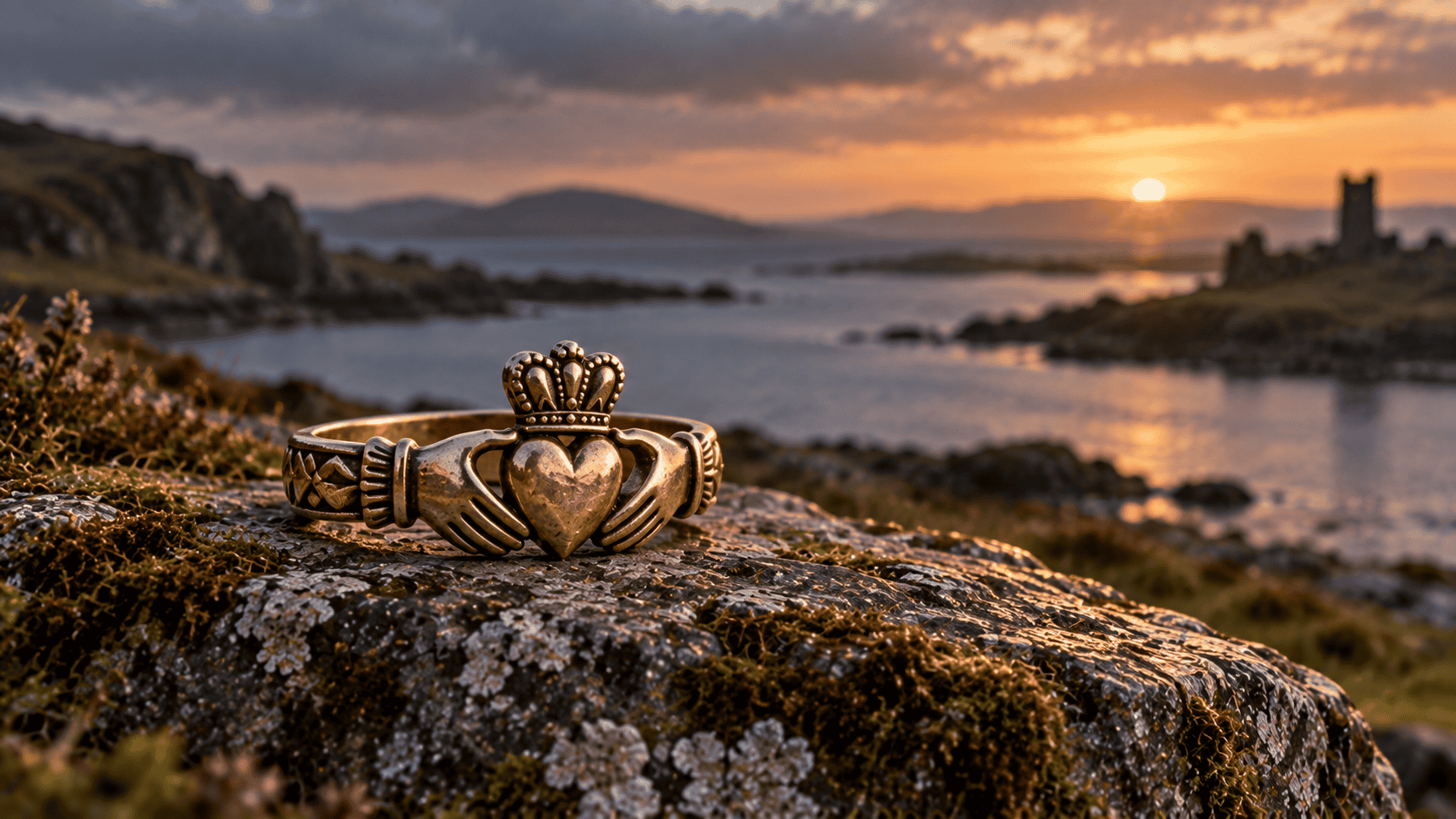
Two hands, a heart, and a crown, first made in Galway around 1700. The real history behind Ireland’s best-known ring, and the legends that grew around it.
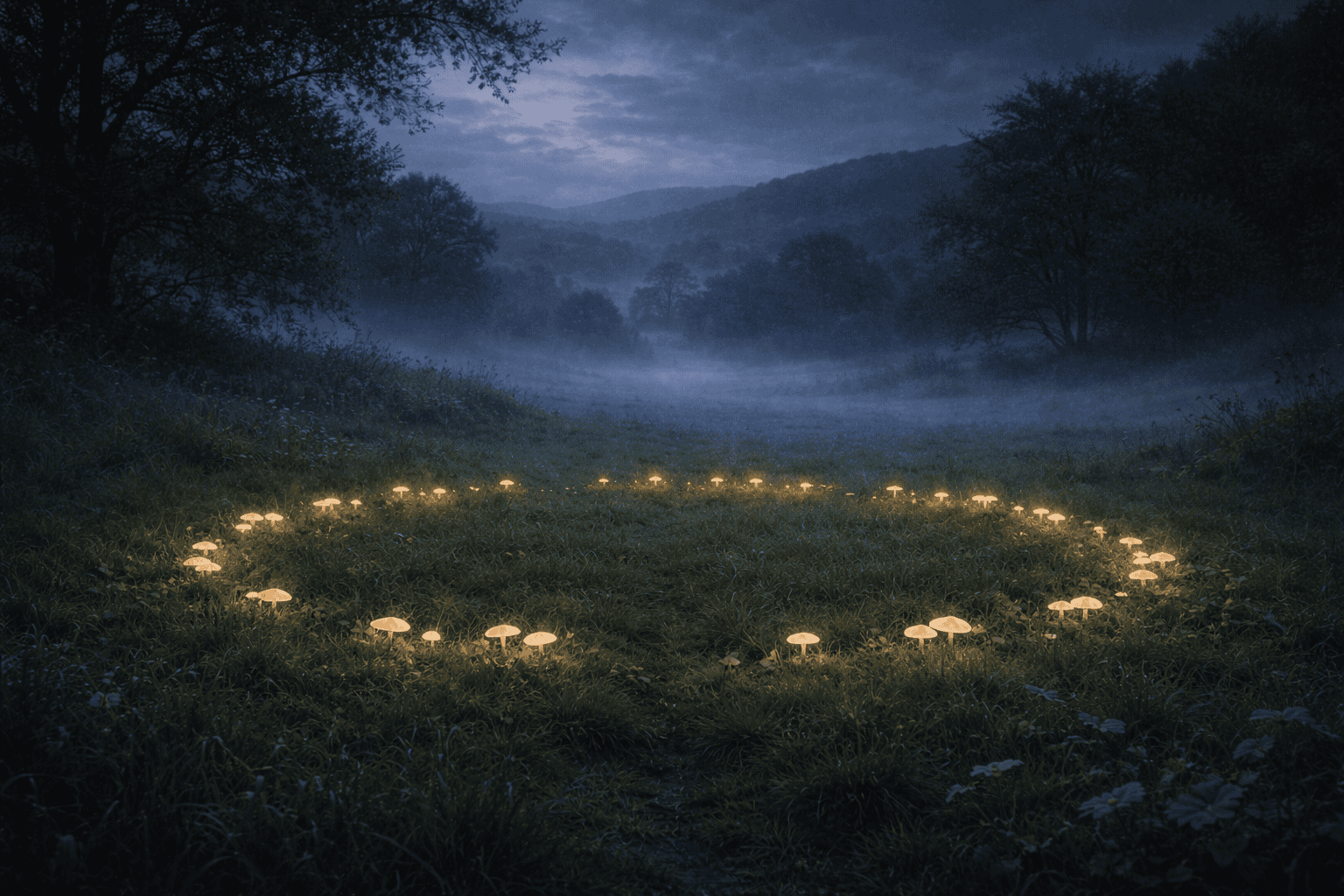
Music from an empty field, a dance that lasts a year, and a friend who reaches in with one foot on the edge. What the old stories say happens inside a fairy ring.
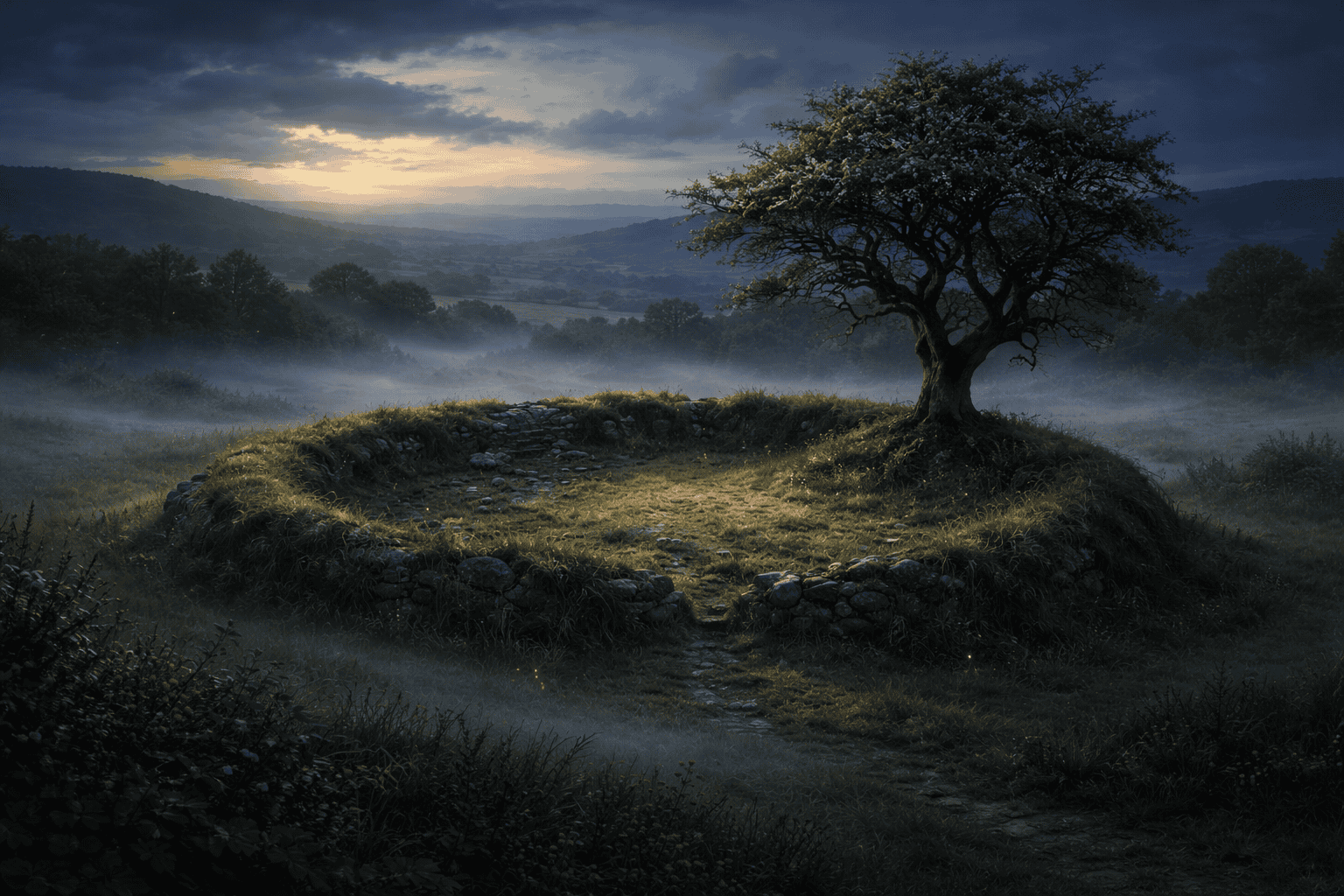
A corner of the field the farmer never ploughed, and stories of what happened to those who did. Why the old warning about fairy forts is still obeyed.